Environmental News Archive


As one would expect, among the readers who posted here there was a strong level of both support for the event (and any anti-fracking advocacy) and critiques of our effort, typically from gas industry functionaries or labor that supports hydraulic fracturing on behalf of jobs.
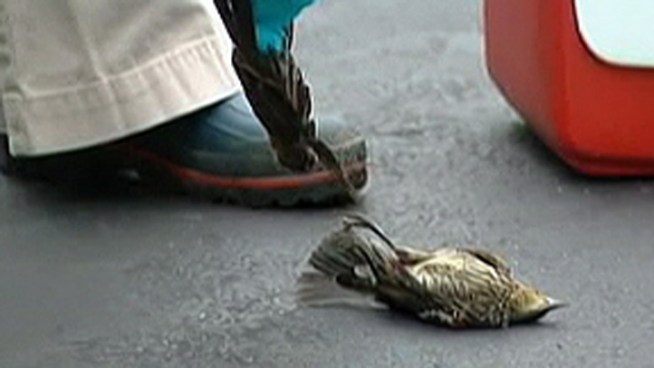 Residents in a Cumberland County community were left wondering Tuesday morning what caused dozens of birds to drop dead from the sky.
 Damning evidence about the environmental consequences of hydraulic fracturing (fracking) of shale gas continues to pile up. And the process is acquiring more enemies with big guns, the latest being the Sierra Club.
 TVNL Comment: What does it tell you about how badly humans have poisoned the planed when GE markets a filter to remove things like progesterone from drinking water? Progesterone! Progesterone is a female hormone used in hormone replacement therapy and it is in our drinking water. Do you want to know why 8 year old girls are developing breasts? Can this explain gender confusion cases or even the cause of some homosexuality? We drink this water...pregnant women drink this water...what is the effect on a fetus? We are being poisoned...and we just ignore it.
 July was the hottest month in U.S. history, federal scientists announced Wednesday, eclipsing the record set during the heart of the Dust Bowl in 1936.
 Risk analysts have concluded that the disposal of contaminated wastewater from hydraulic fracturing (or "fracking") wells producing natural gas in the intensively developed Marcellus Shale region poses a substantial potential risk of river and other water pollution.
 Thousands of fish are dying in the Midwest as the hot, dry summer dries up rivers and causes water temperatures to climb in some spots to nearly 100 degrees.
 Jane Kleeb is a savvy activist who, Nebraska’s Republican governor once said, “has a tendency to shoot her mouth off most days.” A Florida native who moved to Nebraska in 2007 after marrying a rancher active in Democratic politics, she did as much as anyone to bring the massive Keystone XL crude oil pipeline to a halt last year.