 The Supreme Court retreated from strict enforcement of the famous Miranda decision on Tuesday, ruling that a crime suspect's words could be used against him if he failed to clearly invoke his rights clearly and, instead, answered a single question after nearly three hours of interrogation.
In the past, the court has said the "burden rests on the government" to show that a crime suspect has "knowingly and intelligently waived" his rights.
But in a 5-4 decision Tuesday, the court said the suspect had the duty to invoke his rights. If he failed to do so, his later words can be used to convict him, the justices said.
Justice Anthony M. Kennedy wrote that police were "not required to obtain a waiver" of the suspect's "right to remain silent before interrogating him."
In this case, Michigan police had informed the suspect, Van Thompkins, of his rights, including the right to remain silent. Thompkins said he understood, but he did not tell the officer he wanted to stop the questioning or speak to a lawyer.
More...
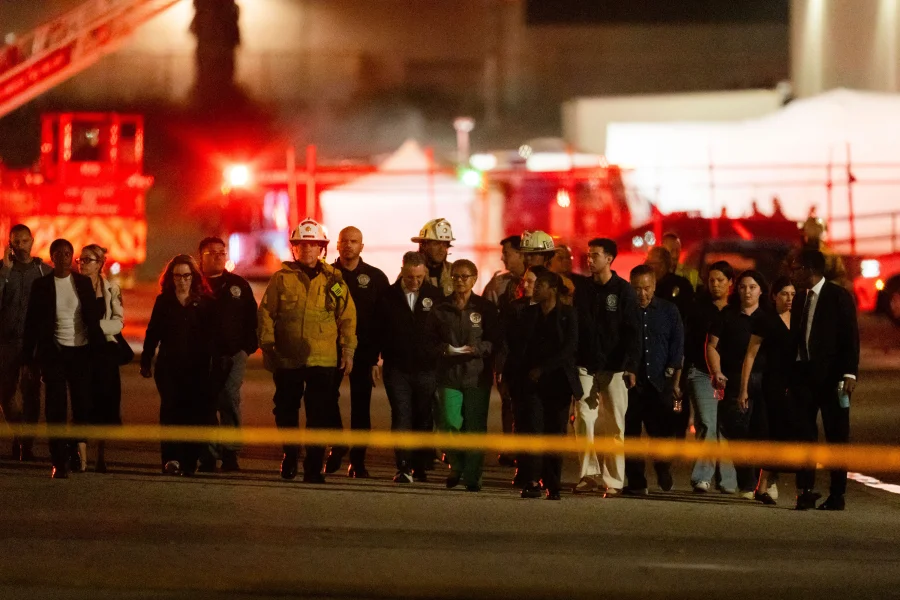 A news helicopter crashed in a Los Angeles neighborhood on Tuesday and burst into flames, killing...
 New York City officials have selected Brooklyn-based company it’s electric to expand the city's curbside electric...
 Police in Jackson, Mississippi, have arrested a man in the death of Tasia Fortune, a 29-year-old...