When fallout from the Fukushima nuclear disaster began appearing last Spring in U.S. air, rainwater, drinking water, and milk, many U.S. media outlets ignored the story.
It was a difficult story to cover. The U.S. Environmental Protection Agency was releasing raw data erratically, sometimes late on Friday afternoons, and reporters either had to possess radiation expertise or take a crash course in picocuries, millisieverts, MCLs and DILs.
It was much easier for reporters to accept reassurances from government officials that the fallout drifting across the U.S. was “well below levels of public concern.” And it was much easier to heed pleas from government and industry that we not alarm the public.
TVNL Comment: So these so called "reporters" are not reporters, they are typists or messengers. But in reality they are simply your worst enemies. Nothing more, nothing less.
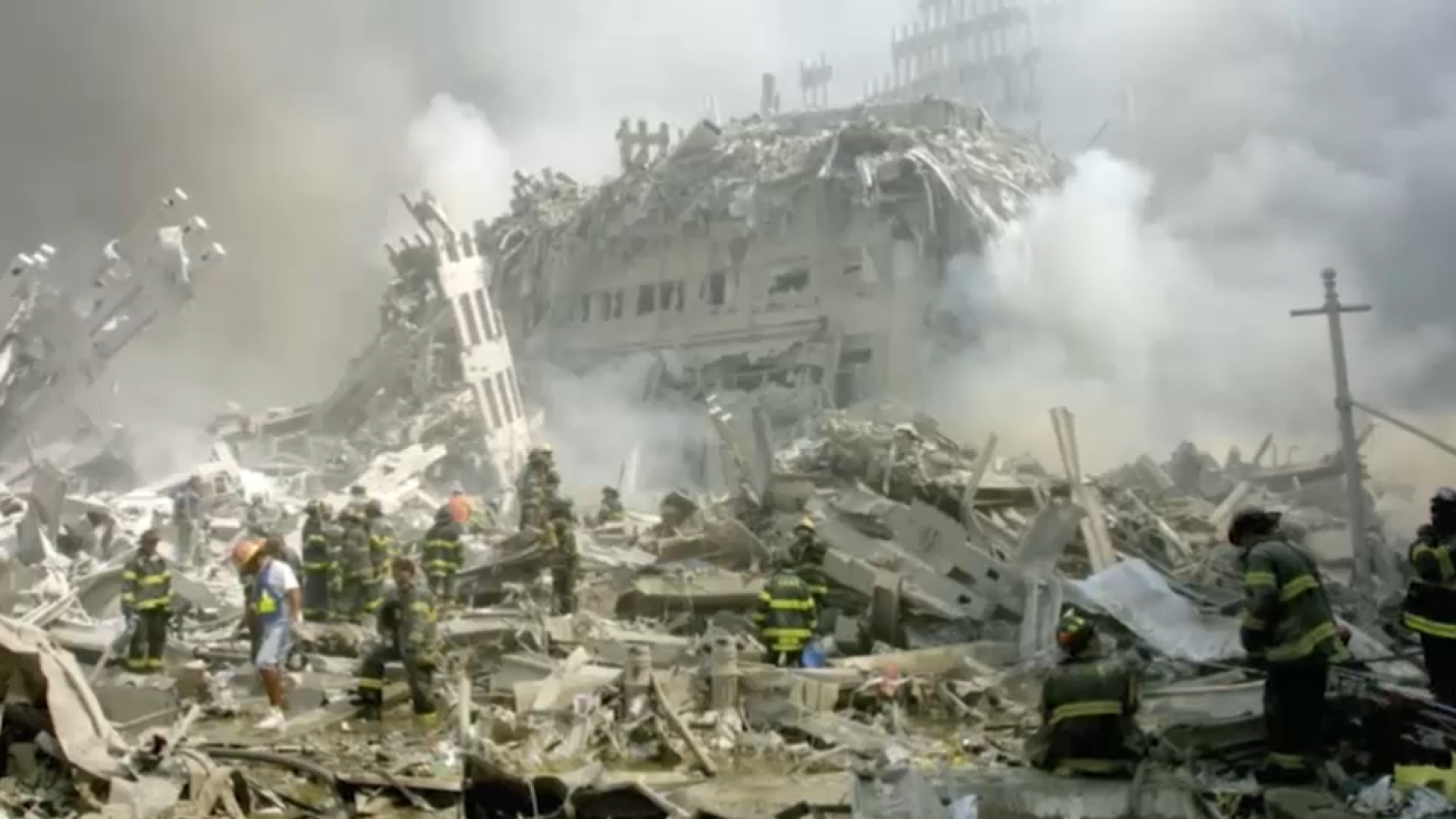 New York City’s top watchdog agency has hired a team of lawyers to investigate exactly what...
 Earth cooked to its hottest month on record in August, blowing far past a key climate...