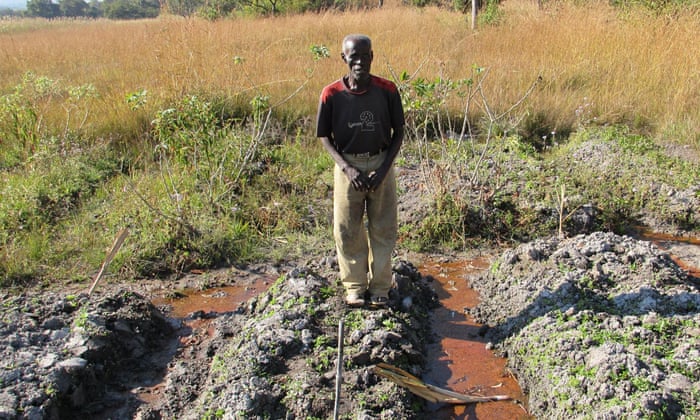
 You can’t see the old Chingola copper mine, with its smelter and refinery, from the village of Shimulala. It’s miles away, beyond 300ft-high hills of waste tailings, the leach plant, the main pollution control dam and the 1,600ft-deep open pit that is one of Africa’s largest holes.
But you can smell and taste the pollution from the biggest copper mine in Africa. If you pump a glass of water from the borehole outside the little church in Shimulala, you will see it is bright yellow, smells of sulphur and tastes vile.
Mining giant Vedanta’s subsidiary company KCM drilled the borehole in 2010 for the village after the Mushishima stream was turned into a river of acid when mining chemicals spilled into it. But a leaked company letter says that chemists who tested borehole water there in 2011 found it tainted with copper residues, acid and minerals, and said it was unfit for consumption. Now the villagers must use the stream too.
1,800 people from Shimulala, Hippo Pool, Hellen and Kakosa villages took their complaints to the high court in London in a case that could last years and make giant mining companies working in developing countries address local pollution more seriously.
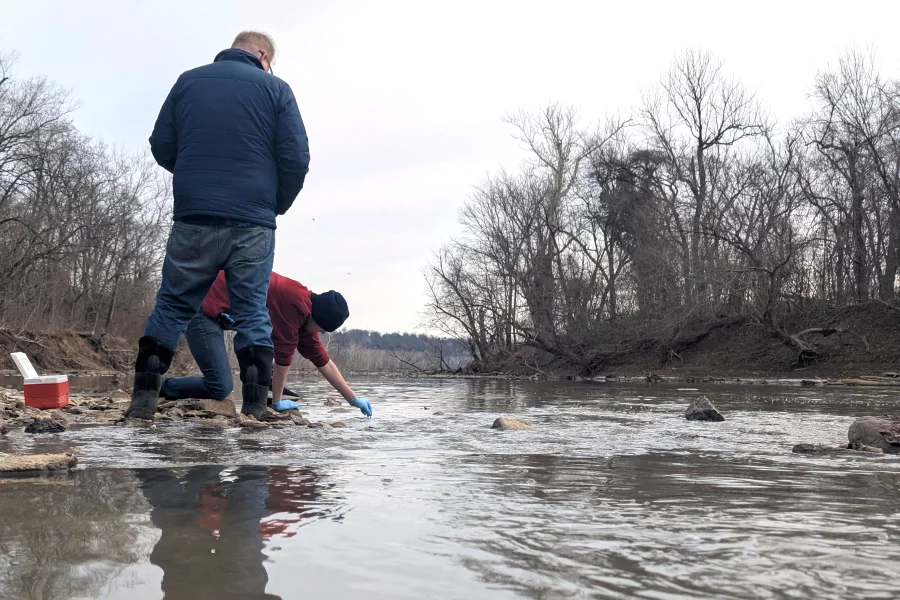 In January, part of a decades-old sewer line in Maryland collapsed by the Potomac River. Over...
 It might head out to sea, or it might be a 'blockbuster" late-weekend blizzard for the...