Standing in his laboratory, Harvard professor Sean Eddy gazes at a row of vacant work stations. More than a year ago, this lab was filled with over a dozen researchers. On a given day they might be working independently on analyzing genomic sequencing or gathered around the group table, drinking coffee and helping each other troubleshoot questions about genomic data from different species.
Now, after his funding was terminated under the Trump administration, the computer screens are gone and the room is silent. He's one of the last people left.
" Seeing these labs empty — this is not the way it's supposed to be," he says. "This was a very vibrant lab."
Eddy is a computational biologist. He has devoted his career to one fundamental question. " I'm really interested in the origin of life," he says. "I want to know where it all came from."
He and his colleagues spent years developing software that could be used to seek out an answer. Scientists around the world now use the tools his team created to compare DNA and protein sequences, identify genes, and predict what they do. Their work underpins countless studies, including research related to cancer and neurodevelopmental disorders.
 The last time I saw Laura Grego was in a tent in a baking field on...
 Wally Funk, a trailblazing aviation pioneer who was denied the opportunity to become a Nasa astronaut...
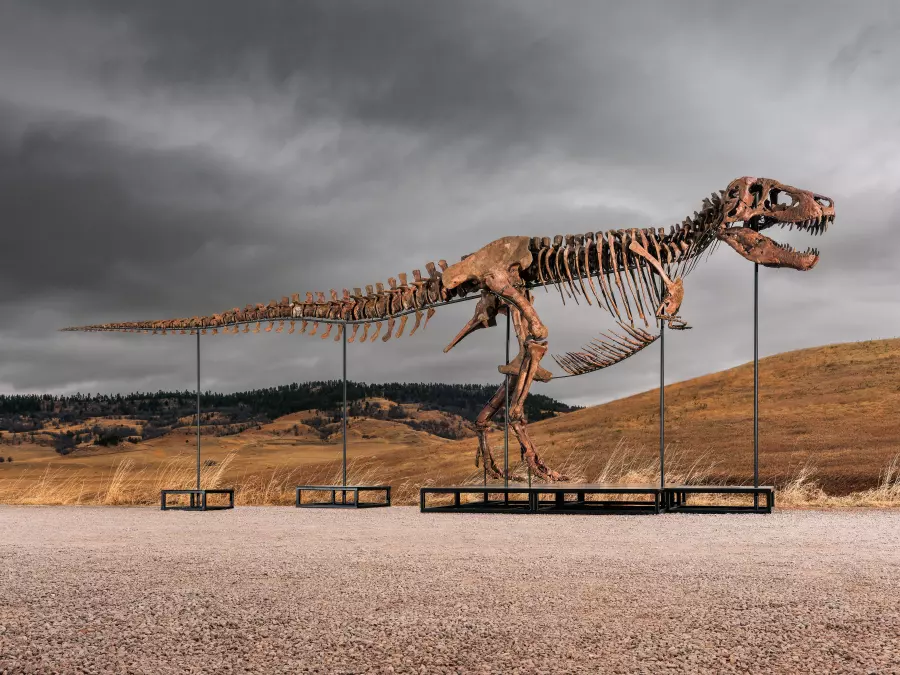 An imposing, 38-foot long Tyrannosaurus rex fossil sold for a record $50.1 million at auction on...
 Within minutes of walking on a San Diego beach, marine ornithologist Tammy Russell found the feathered...