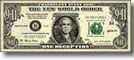
The US State Department has directed its staff around the world not to surf the WikiLeaks website, according to employees. The ban is in response to WikiLeaks' decision to published classified material, including US diplomatic cables. It’s not clear when the policy first began but it joins a similar order by the US Department of Defense put in place since the leaking of Iraq and Afghanistan war documents earlier this year.
Analysts suggest the State Department is temporarily falling back on traditional bureaucratic protocols in the face of a crisis that is emblematic of the shift to an online world. As the dust settles, the WikiLeaks upheaval may push to the fore tensions between new “digital diplomacy” efforts that use Twitter and smart-phone apps, and an older culture of classified cables.
“They need to engage with the broader public, which is empowered with web 2.0, but at the same time keep confidentiality, which is a huge tension that organizations like the State Department have to address,” says Jovan Kurbalija, an expert in diplomacy and information technology based in Geneva.
Secretary of State Hillary Clinton has pushed for more integration of Internet advances in US diplomacy. She supported young, tech-savvy officers who were developing huge Twitter followings.
In East Africa, the State Department supported a competition called "Apps 4 Africa" that challenged software developers to come up with a socially beneficial phone application. The winner was "iCow," an application that helps farmers track animal breeding cycles.
 A news helicopter crashed in a Los Angeles neighborhood on Tuesday and burst into flames, killing...
 New York City officials have selected Brooklyn-based company it’s electric to expand the city's curbside electric...
 Police in Jackson, Mississippi, have arrested a man in the death of Tasia Fortune, a 29-year-old...