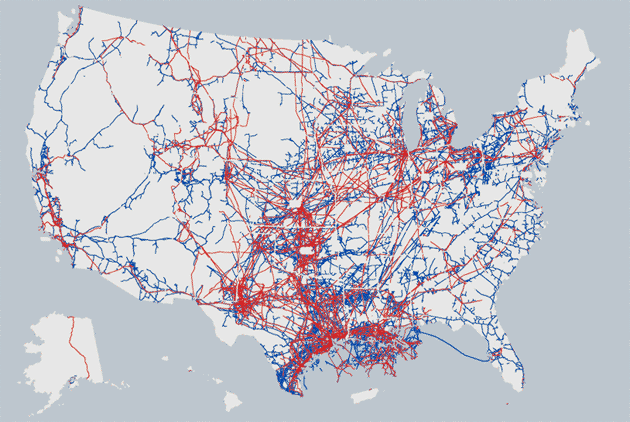
 At 6:11 p.m. on September 6, 2010, San Bruno, Calif. 911 received an urgent call. A gas station had just exploded and a fire with flames reaching 300 feet was raging through the neighborhood. The explosion was so large that residents suspected an airplane crash.
But the real culprit was found underground: a ruptured pipeline spewing natural gas caused a blast that left behind a 72 foot long crater, killed eight people, and injured more than fifty.
Over 2,000 miles away in Michigan, workers were still cleaning up another pipeline accident, which spilled 840,000 gallons of crude oil into the Kalamazoo River in 2010. Estimated to cost $800 million, the accident is the most expensive pipeline spill in U.S. history.
Over the last few years a series of incidents have brought pipeline safety to national – and presidential – attention. As Obama begins his second term he will likely make a key decision on the controversial Keystone XL pipeline, a proposed pipeline extension to transport crude from Canada to the Gulf of Mexico.
The administration first delayed the permit for the pipeline on environmental grounds, but has left the door open to future proposals for Keystone’s northern route. Construction on the southern route is already underway, sparking fierce opposition from some landowners and environmentalists.
 New York City’s top watchdog agency has hired a team of lawyers to investigate exactly what...
 Earth cooked to its hottest month on record in August, blowing far past a key climate...