Glenn Paulson, the EPA's science adviser, describes the project as "one of the most aggressive public outreach programs in EPA history."
The final report won't come out until late 2014. But a 275-page progress report was released in December and, for all its details, shows that the EPA doesn't plan to address one contentious issue — how often drinking water contamination might occur.
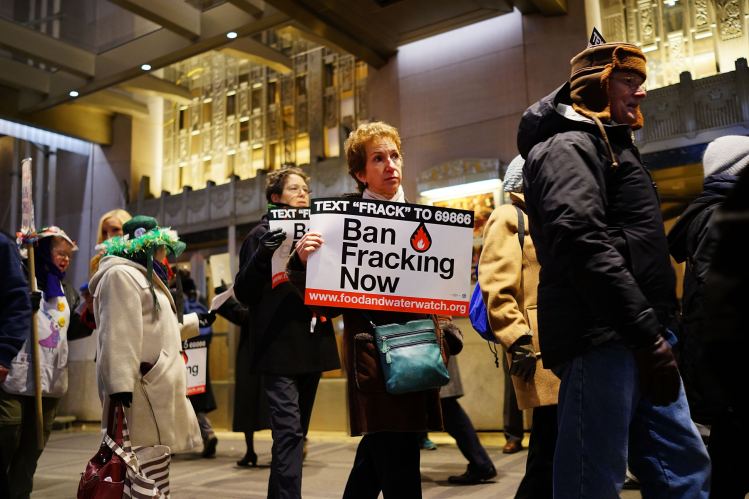
Congress ordered the EPA to study the potential effects of hydraulic fracturing, or fracking, which entails blasting a mixture of water, sand and hazardous chemicals at underground shale to release the gas or oil captured in the rock.
As a gas rush surged in parts of the Marcellus Shale region that underlies Pennsylvania, New York, Ohio and West Virginia concerns arose for the watershed that provides drinking water for 17 million people from Philadelphia to New York City.
TVNL Comment: Heck, who really cares how often drinking water contamination might occur? Just asking....
 New York City’s top watchdog agency has hired a team of lawyers to investigate exactly what...
 Earth cooked to its hottest month on record in August, blowing far past a key climate...