 A month and a half has gone by since the doctor told Khaleda Jarrar she needed an urgent brain examination. Early tests were worrisome, but more information was needed to make an exact diagnosis. But Jarrar has not yet undergone the examination. And she knows, as do her partner and friends, the significance of each day of delay. During all the waiting, it's clear who the uber-doctor is who makes decisions about the health of the Palestinians, and the uber-doctor is not in a hurry.
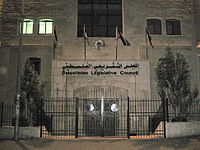
Jarrar, 47, is a member of the Palestinian Legislative Council for the Popular Front for the Liberation of Palestine. She is prevented from traveling abroad for what is known, with the usual ambiguity, as security reasons.
Around two years ago, she was appointed a member of a Palestinian reconciliation committee that convened in Cairo, but was not allowed to leave the West Bank to take part. She didn't fight for her right to travel until July 19, when the doctor informed her that the equipment for carrying out the examination was not available in the West Bank.
The Palestinian Health Ministry clarified that it would not cover the costs of hospitalization and tests in Israel, but only in Amman. As she was a member of the legislative council, people in the Palestinian Authority told her they would arrange for her to leave.
 Two men that the Trump administration expelled to Equatorial Guinea were bound, fitted with bags over...
 Dozens of far-right Israelis gathered outside NAZA filmmaker Rachel Szor's family home on Wednesday, demanding she...
 The United Nations has “reasonable grounds” to believe the US committed a war crime with its...
 Immigration and Customs Enforcement officer Christian Castro made his first appearance in state court in Minneapolis...