Since Japan's Fukushima nuclear plant began leaking radiation after last month's earthquake and tsunami, those watching with consternation have included the Mirarr Aboriginal people of Australia's Northern Territory, who are determined to limit uranium mining on their land despite the promise of vast riches.
The Mirarr are the traditional owners of land where uranium has been mined for more than 30 years and exported all over the world. Tepco, which operates the Fukushima plant, is a long-standing customer of Ranger, the principal mine.
The senior traditional elder in the area, Yvonne Margarula, has written to the UN Secretary-General, Ban Ki-moon, expressing her people's sorrow about Japan's suffering, and their concern about the nuclear emergency.
"Given the long history between Japanese nuclear companies and Australian uranium miners, it is likely that the radiation problems at Fukushima are, at least in part, being fuelled by uranium derived from our traditional lands," she said. "This makes us feel very sad."
Ms Margarula also told Mr Ban that events in Japan had strengthened the Mirarr's resolve to oppose work at a second mine, named Jabiluka – the world's largest known undeveloped uranium deposit. Instead, they want to see Jabiluka incorporated into Kakadu, the World Heritage-listed national park where Ranger is also located.
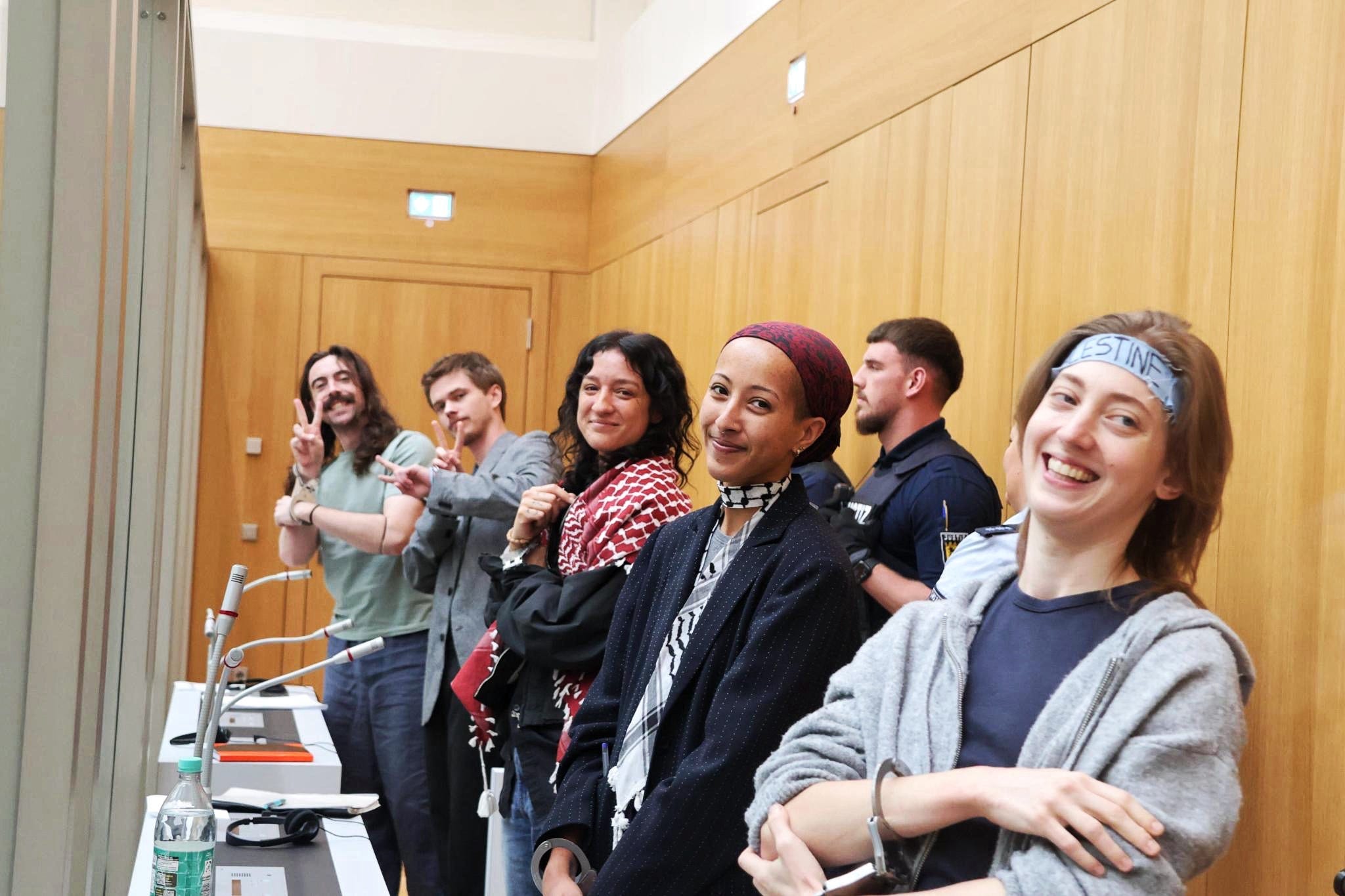 Nearly fifty years after the infamous Red Army Faction trials, Germany’s maximum-security Stammheim Prison is once...
 Denmark’s government was cautiously optimistic on Saturday following Donald Trump’s announcement of a deal on Greenland...
 Israel plans to seek additional US weapons and defence capabilities as "compensation" after Washington approved the...
 When Israel deployed its Iron Beam laser weapon for the first time last December, the announcement...