The tightening of U.S. banking sanctions against Iran over its nuclear program has had an impact on all sectors of the economy but is increasingly hitting vulnerable medical patients as deliveries of medicine and raw materials for Iranian pharmaceutical companies are either stopped or delayed, according to medical experts.
The effect, the experts say, is being felt by cancer patients and those being treated for complex disorders such as hemophilia, multiple sclerosis and thalassemia, as well as transplant and kidney dialysis patients, none of whom can afford interruptions or delays in medical supplies.
Milad, an 8-year-old Iranian boy suffering from severe hemophilia, lives in Kuhdasht, a town 400 miles southwest of Tehran, and relies on injections of a U.S.-made treatment, Feiba, which is no longer available locally in large enough quantities.
His parents took him on the 12-hour bus journey to the capital hoping to find supplies of the vital medicine but were given enough for only two days. The boy is now at risk of losing the use of his right leg and is suffering continuous nose bleeds that could be life-threatening.
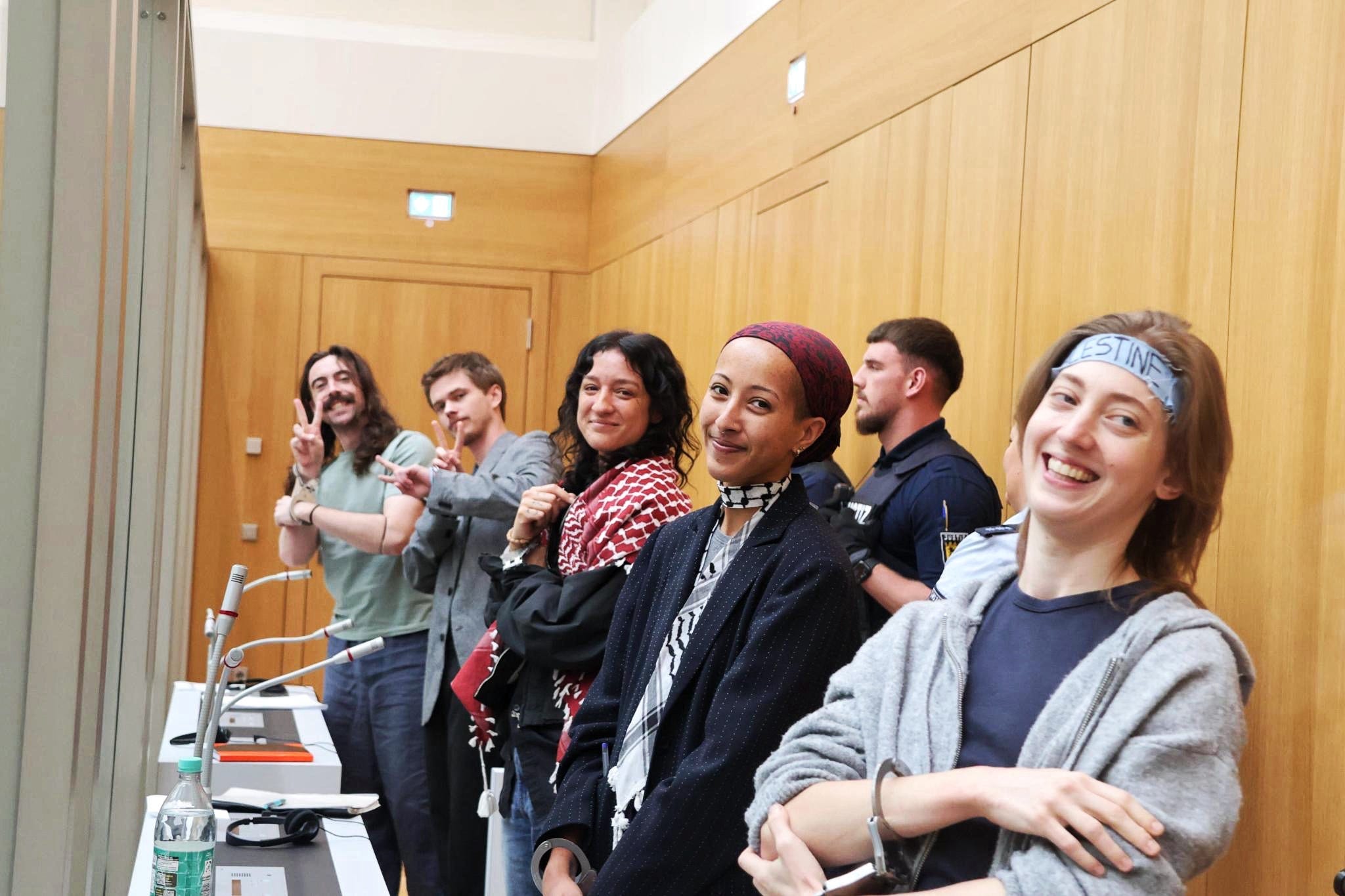 Nearly fifty years after the infamous Red Army Faction trials, Germany’s maximum-security Stammheim Prison is once...
 Denmark’s government was cautiously optimistic on Saturday following Donald Trump’s announcement of a deal on Greenland...
 Israel plans to seek additional US weapons and defence capabilities as "compensation" after Washington approved the...
 When Israel deployed its Iron Beam laser weapon for the first time last December, the announcement...