"Utensils in exchange for a bottle of olive oil and a kilo of za’atar so my children can take some to school.”
The post, shared by a Palestinian woman in Bethlehem in a private Facebook group for mothers, is no longer unusual.
Since the war on Gaza began - and Israeli restrictions across the occupied West Bank intensified - women have increasingly offered furniture, toys, kitchenware and even their children’s clothes in return for basic food.
Long the barest staples of Palestinian life, olive oil and za’atar (a herb blend) have become shorthand for poverty itself, captured in the saying: “He lives on oil and za’atar.”
But with time, they have turned into urgent pleas for milk, cooking oil, medicine and other essentials.
Today, they map the depth of a cost-of-living crisis tightening its grip across the West Bank.
The territory is sliding into a hunger crisis, says economy researcher Dr Haitham Oweida.
Before the war, these Facebook groups dealt in surplus. They offered goodwill exchanges of outgrown clothes and spare toys.
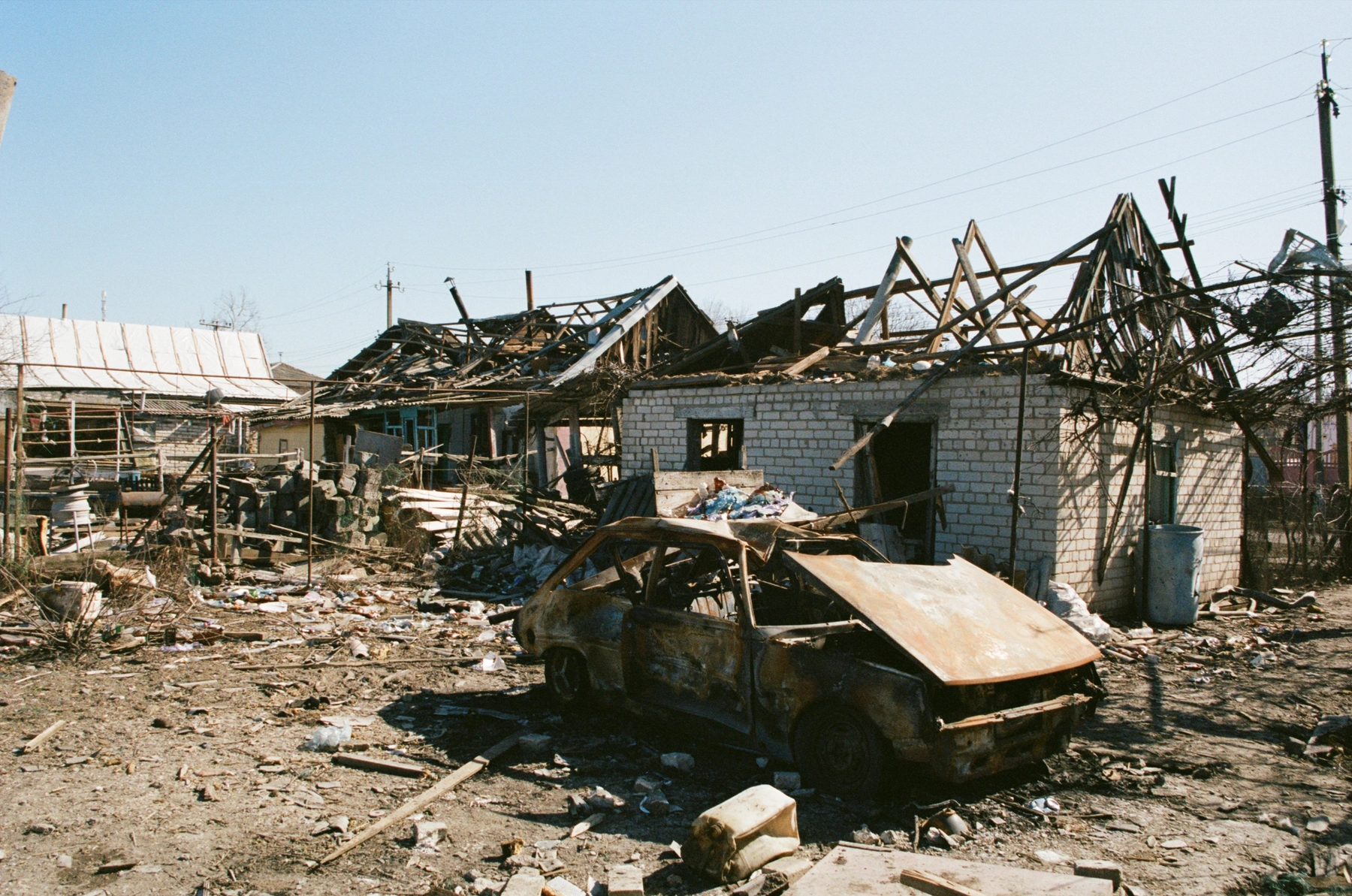 Russian forces carried out around 700 strikes across Ukraine’s southeastern Zaporizhzhia region over a 24-hour period,...
 Karim Khan, the chief prosecutor of the International Criminal Court, has been cleared of all wrongdoing...
 Socialist candidate Emmanuel Grégoire won the Paris race Sunday, succeeding fellow party member Anne Hidalgo as...
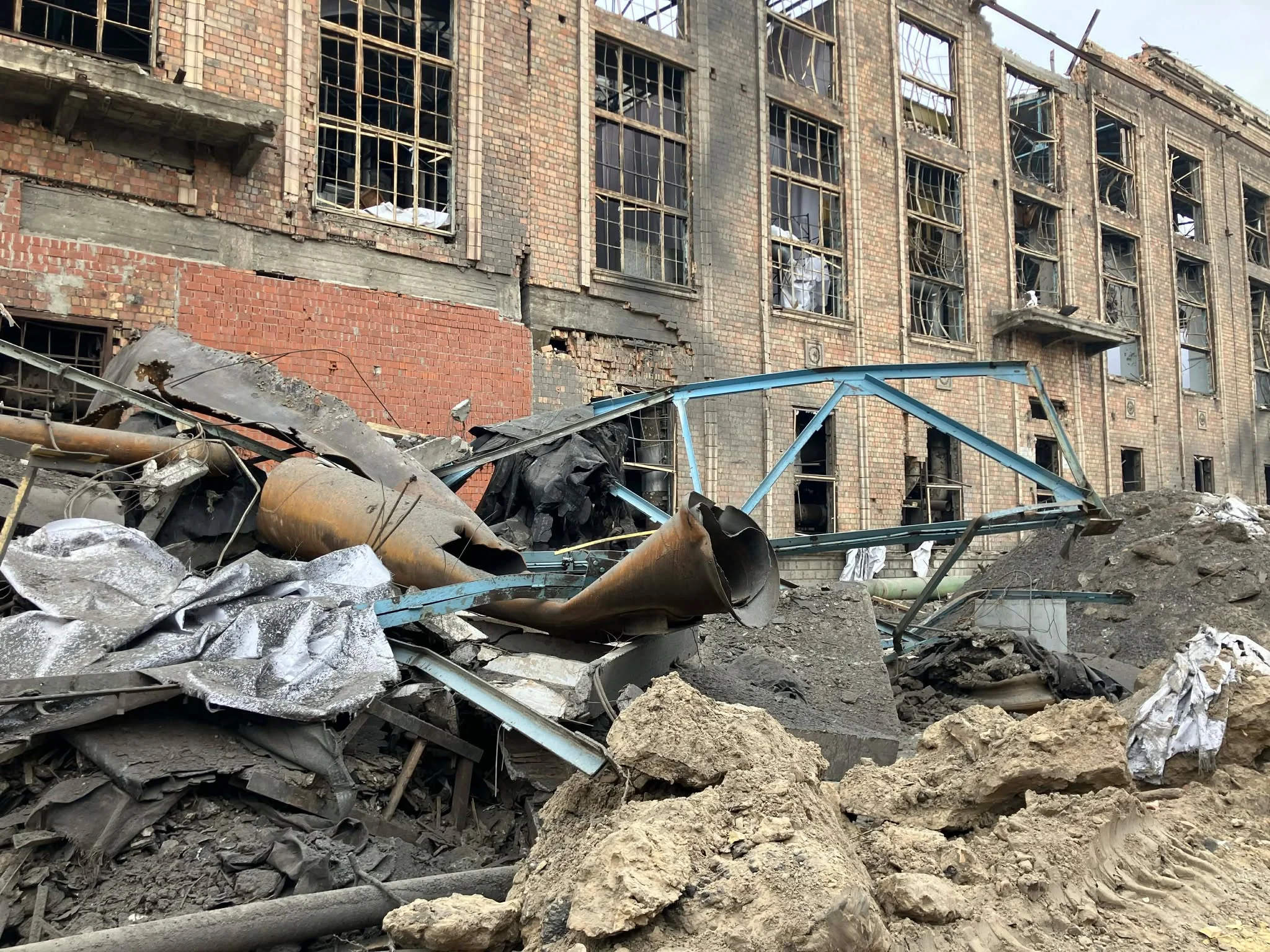 After the fourth winter of the full-scale war, Ukraine’s energy system is emerging from one of...