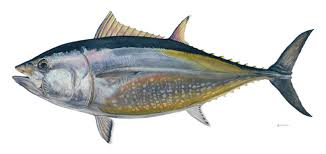
 Near the end of a 12-day cruise in the Gulf of Mexico to study the habitat of just-hatched Atlantic bluefin tuna, scientist Jim Franks came upon fields of oil sheen as far as he could see.
Mixed with the oil were large amounts of sargassum, the golden brown alga that drifts at the whim of winds and tides and shelters the quarter-inch-long bluefin tuna larvae.
How the young will fare and what will happen to the population of bluefin tuna will affect a wide range of people, including the tuna fishermen of Gloucester, Mass., for whom a single fish can fetch $20,000 or more, and sushi chefs everywhere.
While his research is still incomplete, Franks fears that the gushing BP oil will be trouble for Atlantic bluefin tuna. The fish can grow to 1,500 pounds — as large as a Volkswagen Beetle — but their numbers have greatly declined because they fetch such high prices for sushi and sashimi.
The sargassum and the warm waters of the Gulf of Mexico are an important nursery and habitat not only for these fish but also for whales, sharks, and other big ocean fish such marlin and swordfish. What happens to these top predators will be one important part of measuring the costs of the oil spill to the environment.
 New York City’s top watchdog agency has hired a team of lawyers to investigate exactly what...
 Earth cooked to its hottest month on record in August, blowing far past a key climate...