The cops shot 16-year-old Mariam in the back on 28 January, a live round fired from the roof of the Saida Zeinab police station in the slums of Cairo's old city at the height of the government violence aimed at quelling the revolution, a pot shot of contempt by Mubarak's forces for the homeless street children of Egypt.
She had gone to the police with up to a hundred other beggar boys and girls to demand the release of her friend, 16-year-old Ismail Yassin, who had already been dragged inside the station. Some of the kids outside were only nine years old. Maybe that's why the first policeman on the roof fired warning bullets into the air.
Then he shot Mariam. She was taking pictures of the police on her mobile phone, but fell to the ground with a bullet in her back. The other children carried her to the nearby Mounira hospital – where the staff apparently refused to admit her – and then to the Ahmed Maher hospital, where the bullet was removed.
Ismail was freed and made his way to Tahrir Square, where the pro-democracy protesters were under attack by armed men. He was wandering up Khairat Street – drawn towards violence like all the homeless of Cairo – when an unknown gunmen shot him in the head and killed him.
They are everywhere in the capital, the 50,000 street children of Cairo, Mubarak's shameful, unspoken legacy, the detritus of the poor and the defenceless, orphans and outcasts, glue-sniffers, many of them drug-addicted, as young as five, the girls often arrested and – according to the children and charity workers – sexually molested by the police.
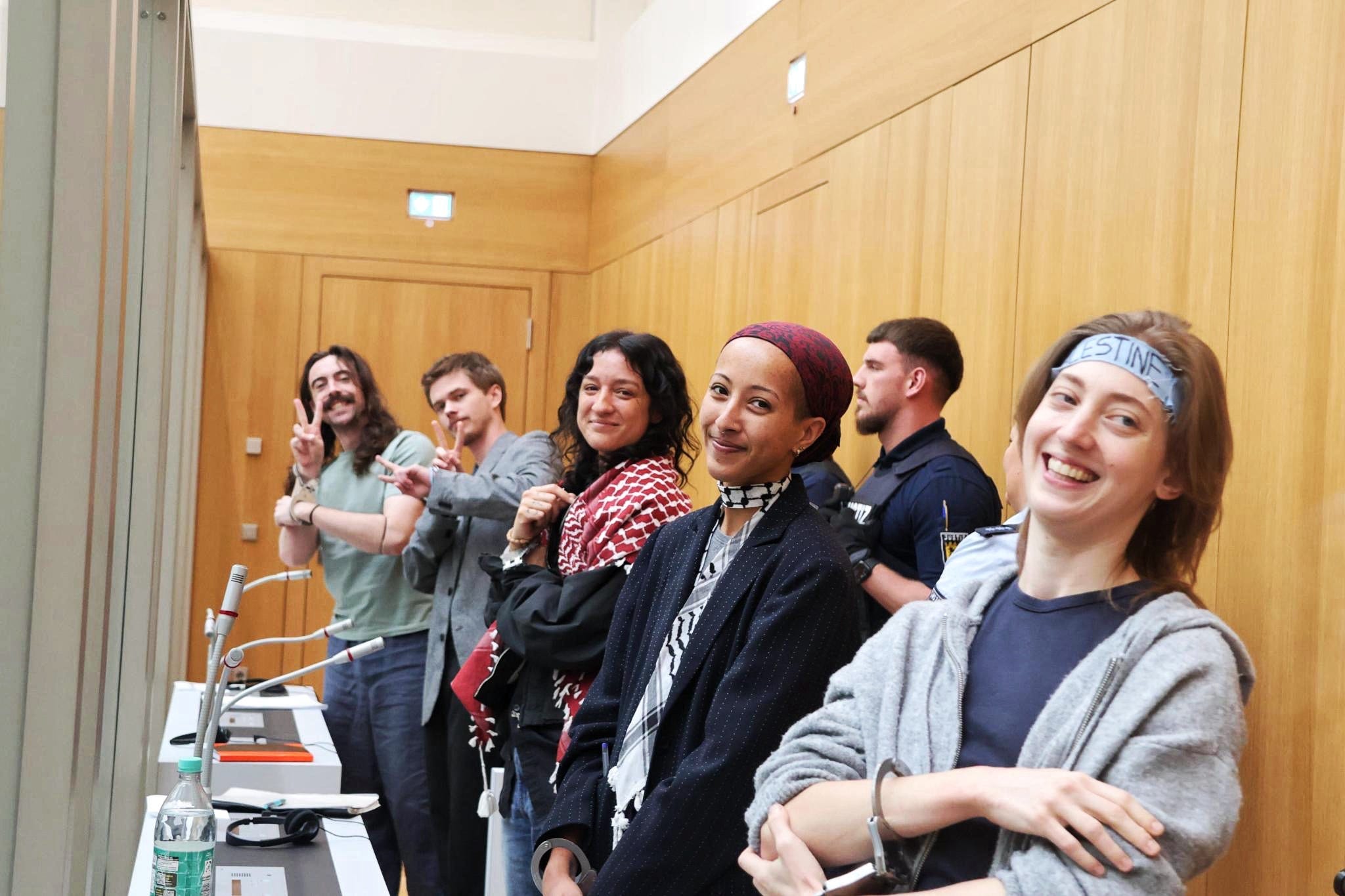 Nearly fifty years after the infamous Red Army Faction trials, Germany’s maximum-security Stammheim Prison is once...
 Denmark’s government was cautiously optimistic on Saturday following Donald Trump’s announcement of a deal on Greenland...
 Israel plans to seek additional US weapons and defence capabilities as "compensation" after Washington approved the...
 When Israel deployed its Iron Beam laser weapon for the first time last December, the announcement...