For a monthly fee of $50,000 plus expenses, the U.S. agency offered a tantalizing prospect to the Rwandan government: a burnished image, a sophisticated media campaign – and a chance at “drowning out” those pesky opposition voices on the Web.
It was 2009, and the authoritarian regime in Rwanda was facing mounting criticism of its human-rights record. It was accused of censoring the media, suppressing freedom, shutting down newspapers and creating a climate of fear. So it turned to a public-relations agency, Racepoint Group, that had already polished the image of Libyan dictator Moammar Gadhafi.
Just two years earlier, Racepoint had charged $167,000 for its role in a campaign to promote Colonel Gadhafi, whom it respectfully referred to as “The Leader.” It touted the Libyan strongman as a democrat, a reformer, “an intellectual and philosopher.” Compared to this, the Rwanda job would be an easy one.
The contracts reveal the increasingly high-tech tactics of the publicity war between African strongmen and their foreign critics – a war in which many governments are becoming more aggressive and sophisticated in their efforts to deflect attention from their human-rights abuses.
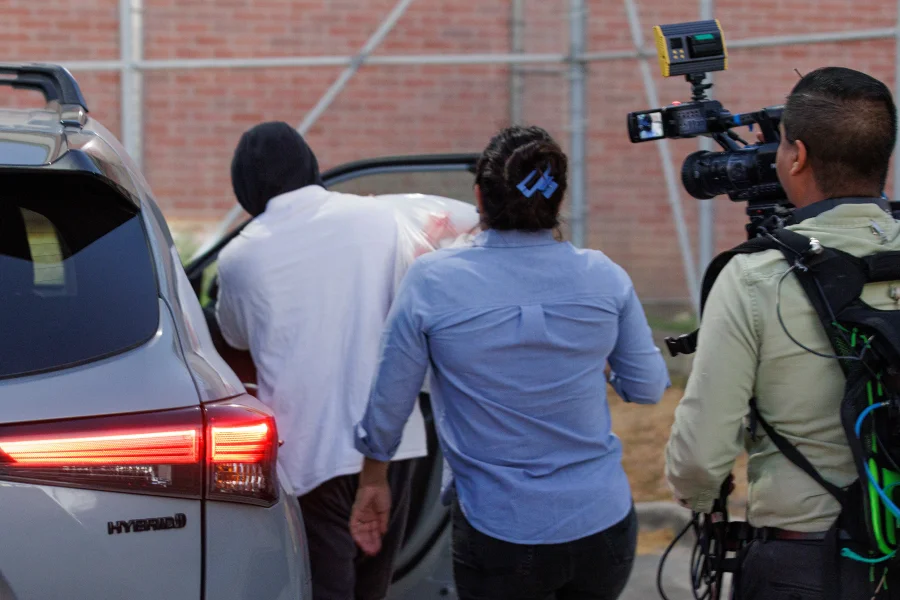
 Two men that the Trump administration expelled to Equatorial Guinea were bound, fitted with bags over...
 Dozens of far-right Israelis gathered outside NAZA filmmaker Rachel Szor's family home on Wednesday, demanding she...
 The United Nations has “reasonable grounds” to believe the US committed a war crime with its...
 Immigration and Customs Enforcement officer Christian Castro made his first appearance in state court in Minneapolis...