The day after a giant tsunami set off the continuing disaster at the Fukushima Daiichi nuclear plant, thousands of residents at the nearby town of Namie gathered to evacuate.
Given no guidance from Tokyo, town officials led the residents north, believing that winter winds would be blowing south and carrying away any radioactive emissions. For three nights, while hydrogen explosions at four of the reactors spewed radiation into the air, they stayed in a district called Tsushima where the children played outside and some parents used water from a mountain stream to prepare rice.
The winds, in fact, had been blowing directly toward Tsushima — and town officials would learn two months later that a government computer system designed to predict the spread of radioactive releases had been showing just that.
But the forecasts were left unpublicized by bureaucrats in Tokyo, operating in a culture that sought to avoid responsibility and, above all, criticism. Japan’s political leaders at first did not know about the system and later played down the data, apparently fearful of having to significantly enlarge the evacuation zone — and acknowledge the accident’s severity.“From the 12th to the 15th we were in a location with one of the highest levels of radiation,” said Tamotsu Baba, the mayor of Namie, which is about five miles from the nuclear plant. He and thousands from Namie now live in temporary housing in another town, Nihonmatsu. “We are extremely worried about internal exposure to radiation.”
The withholding of information, he said, was akin to “murder.”
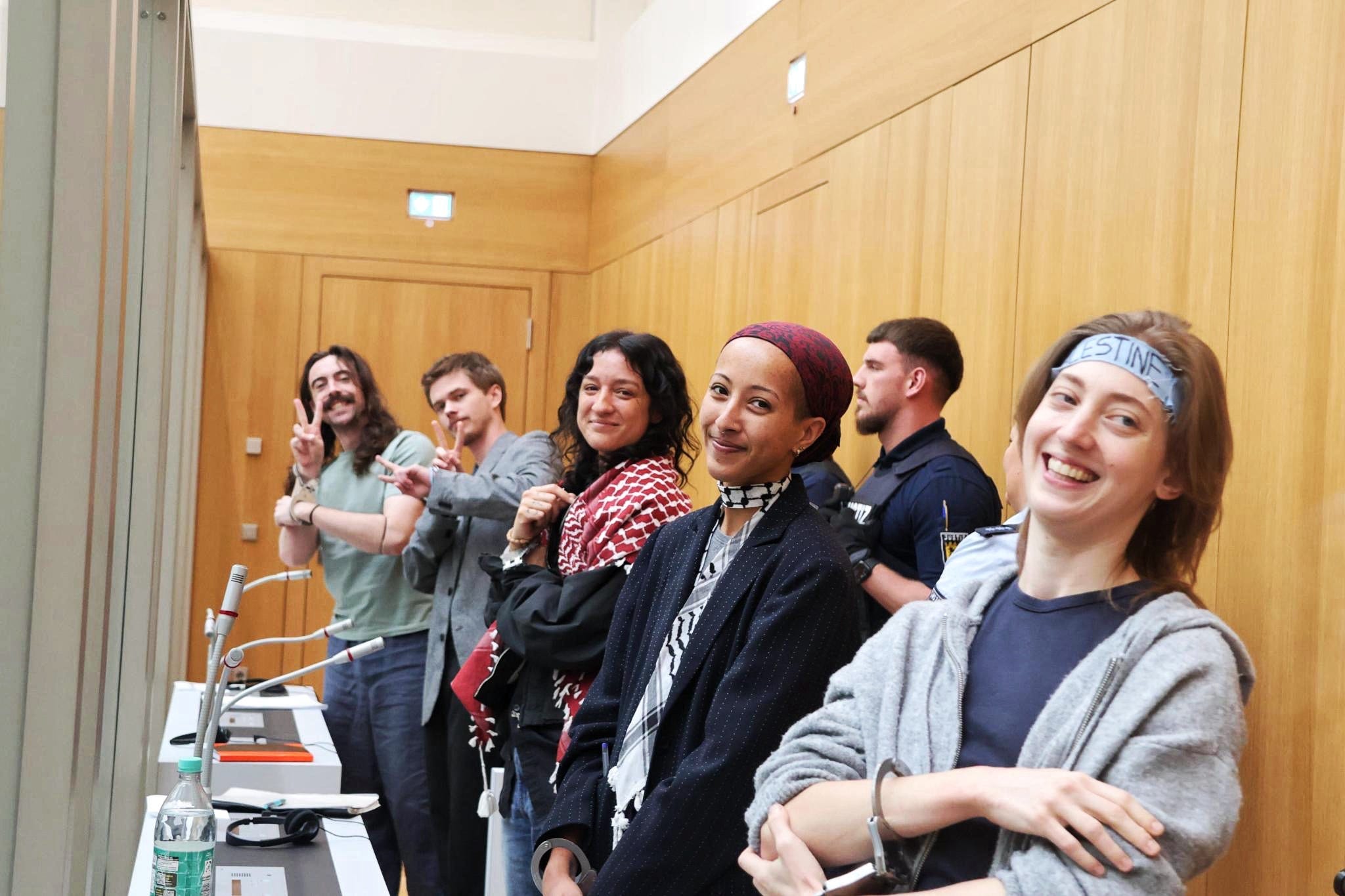 Nearly fifty years after the infamous Red Army Faction trials, Germany’s maximum-security Stammheim Prison is once...
 Denmark’s government was cautiously optimistic on Saturday following Donald Trump’s announcement of a deal on Greenland...
 Israel plans to seek additional US weapons and defence capabilities as "compensation" after Washington approved the...
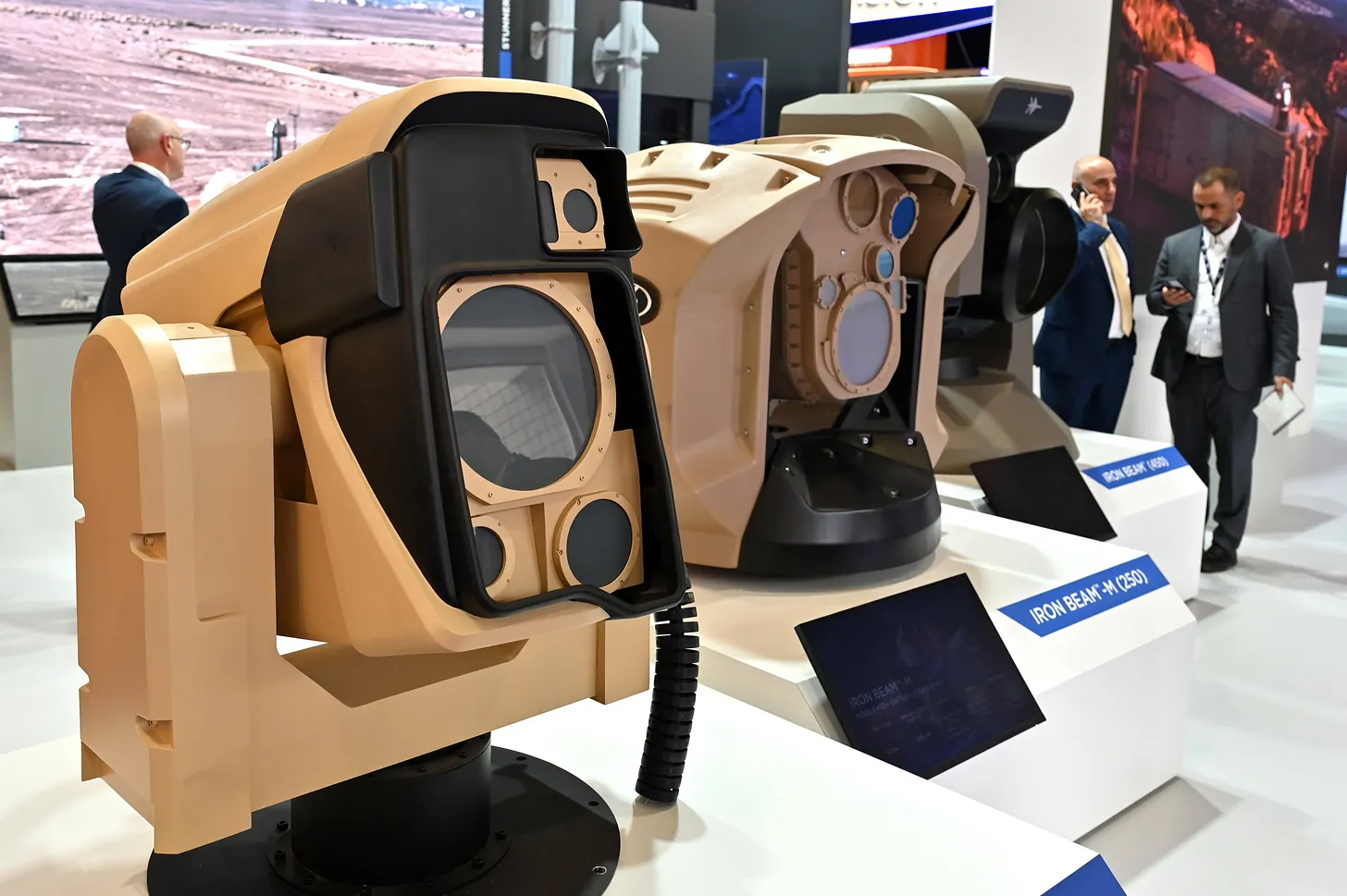 When Israel deployed its Iron Beam laser weapon for the first time last December, the announcement...