 On Tuesday, lists of names were nailed to wooden boards outside the gates of the Omid rehabilitation center, some typed on A4 sheets and others handwritten. Their edges curled quickly in the damp air, blurred by rain and a crowd of men running their fingers down the pages again and again, whispering names under their breath, as if repetition might produce a different outcome.
Behind the gates, officials in white medical gowns read names through a megaphone. In front of them, the crowd pushed forward waiting for confirmation of whether their family member was injured, dead, or missing.
"I came from Jalalabad to find my father,” said Shafiq, a teenager holding a crumpled piece of paper. “His name is Delaram.” He pointed to a number on a list. “It says he is alive. But…I don’t know where he is.”
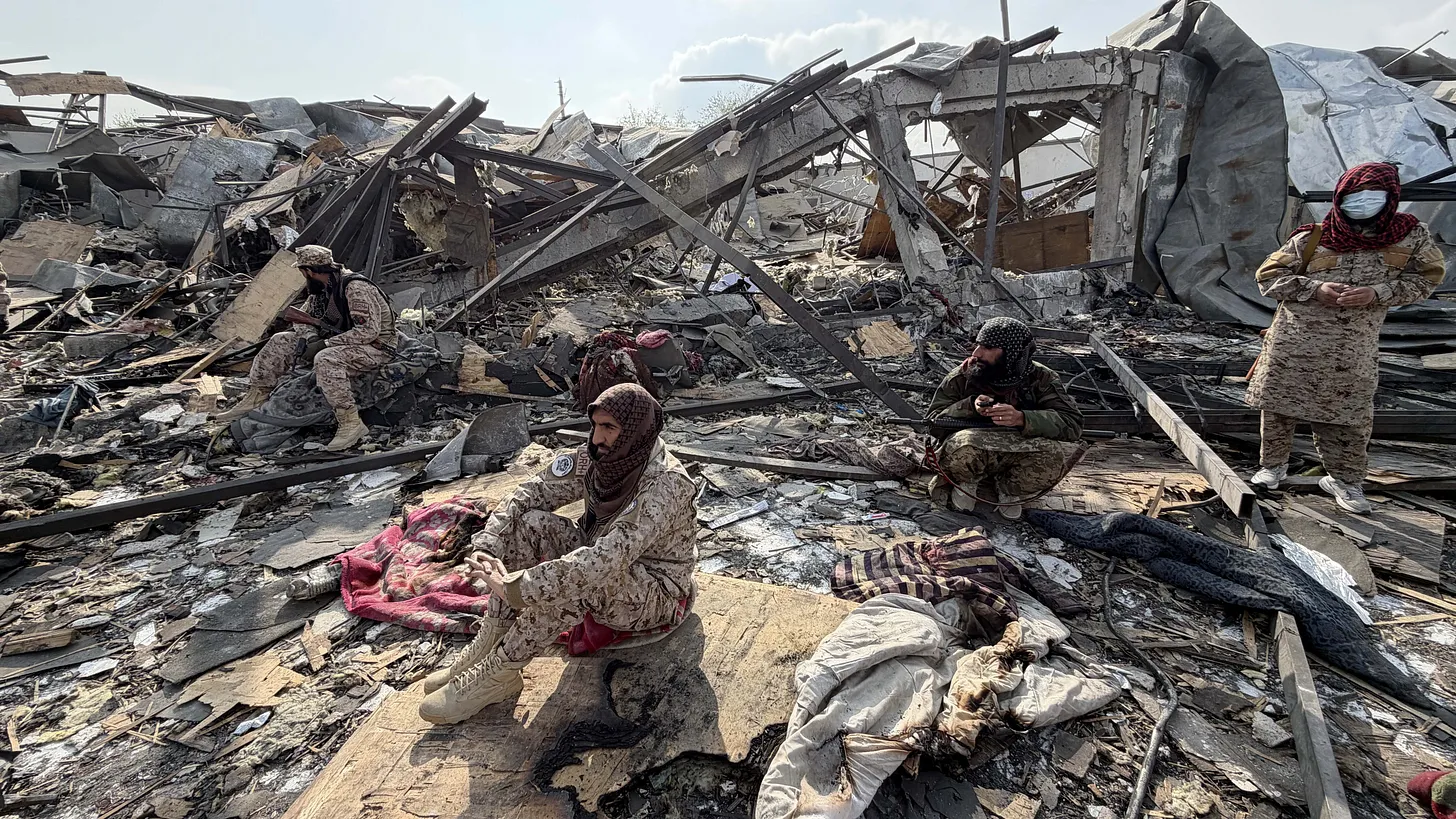
On Monday, an airstrike by Pakistani jets hit the center at the precise moment when hundreds of patients gathered to break their fast. No official figure has captured the full scale of the attack. According to Hamdullah Fitrat, the Taliban’s deputy spokesperson, 400 patients were killed by the strike and 250 injured. But the medical staff and witnesses who handled the bodies insist the true toll is far higher than what has been publicly acknowledged. Pakistan has denied any wrongdoing, insisting that its operations targeted Taliban-affiliated sites.
 The top soccer referee in Africa says he's devastated he won't be able to officiate in...
 Danish shipping giant Maersk is still shipping smaller weapons components to Israel that include rifle and...
 Volkswagen is considering plans to convert one of its German car factories into a production hub...
 When Lebanon and Israel announced a ceasefire agreement on April 16, Nasreen Abd Elaal and her...