



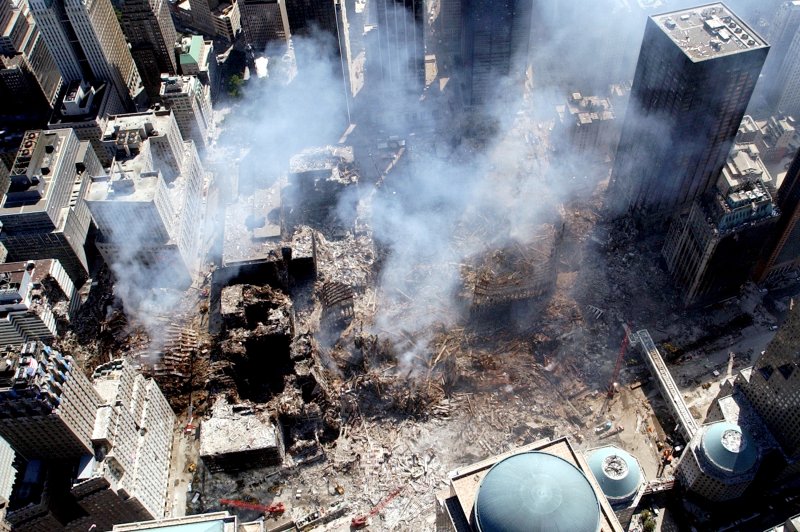
 Sixteen years after the World Trade Center collapsed on Sept. 11, 2001, a study finds children exposed to toxic chemicals released during the collapse are at early risk of heart disease.
The study, published Friday in Environmental International, was conducted by researchers at New York University Langone Health and NYU School of Medicine.
"Since 9/11, we have focused a lot of attention on the psychological and mental fallout from witnessing the tragedy, but only now are the potential physical consequences of being within the disaster zone itself becoming clear," Dr. Leonardo Trasande, an associate professor at NYU School of Medicine and health epidemiologist, said in a press release.


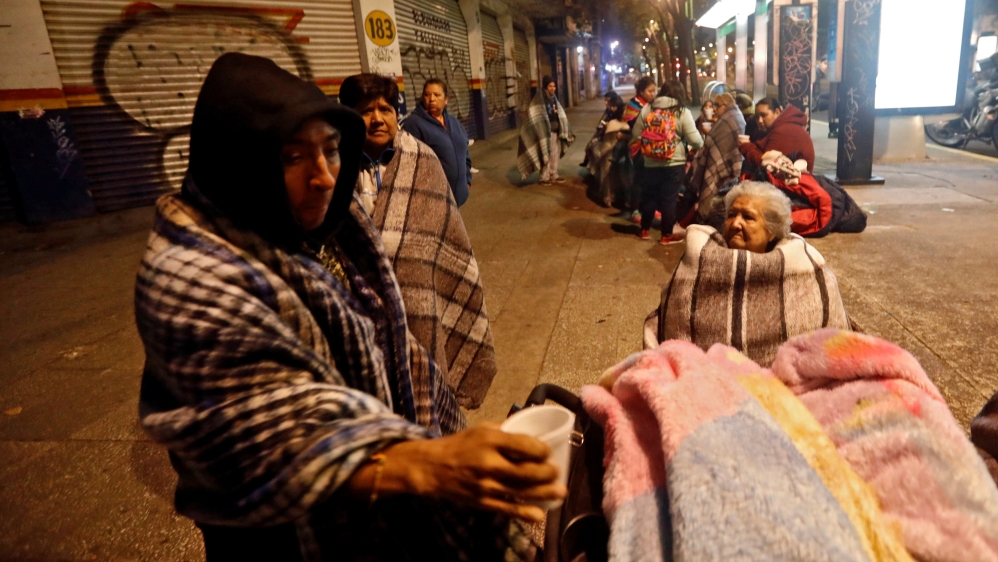 A major earthquake off the southern coast of
  Representatives of Facebook told congressional investigators Wednesday that it has discovered it sold ads during the U.S. presidential election to a shadowy Russian company seeking to target voters, according to several people familiar with the company’s findings.
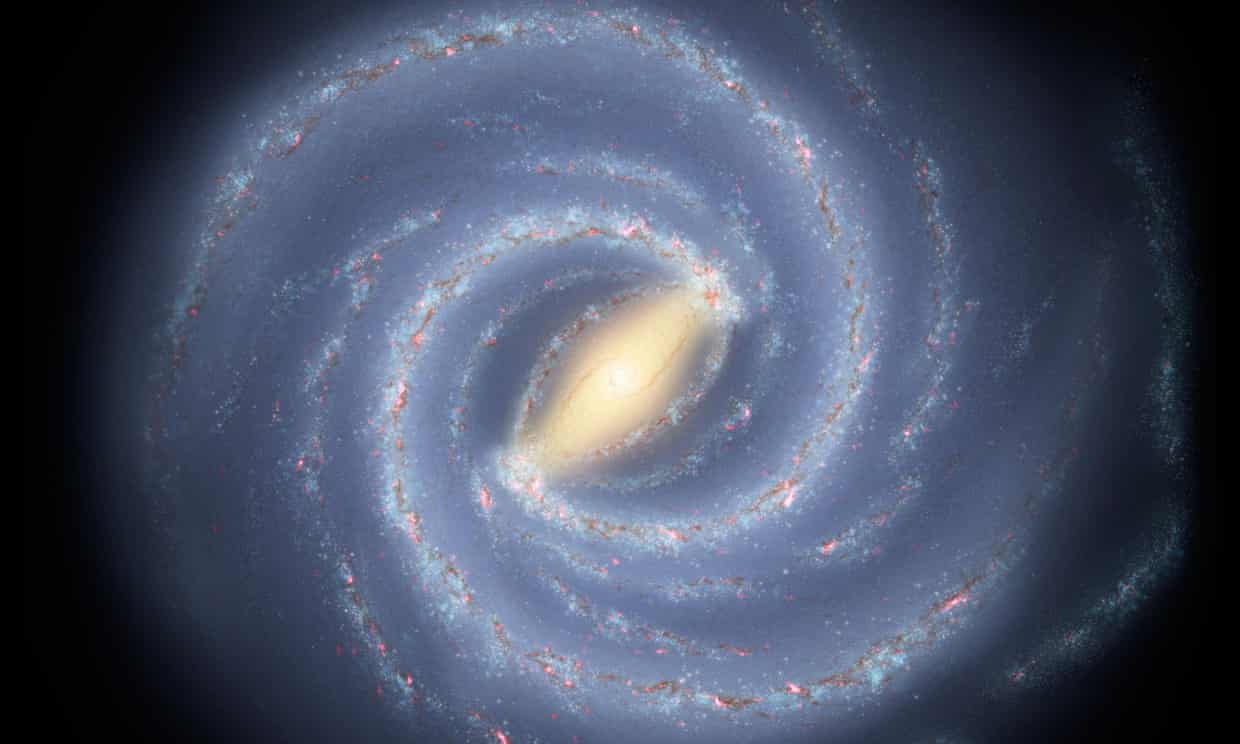 An enormous black hole one hundred thousand times more massive than the sun has been found hiding in a toxic gas cloud wafting around near the heart of the Milky Way.