




 Brazil says it will try cloning eight animal species that are under pressure, keeping them in captivity as a reserve in case wild populations collapse.
Brazil's agricultural research agency, Embrapa, working with the Brasilia Zoological Garden, has collected around 420 tissue samples, mostly from carcasses, to prepare for a cloning program, NewScientist.com reported.
Brazil plans to clone endangered species
Alex Baer: The Words Say 'Welcome Home, Vets'...
With the exception of flag officers having ego management problems, no veteran ever alive has expected to come home down a red-carpeted aisle. Confetti, cheering crowds, and marching bands were never in the daydream, either.
But, then -- a backhanded cuff, a knee to the groin, and a karate chop to the jugular wasn't supposed to be part of the plan, either.
It's not quite what we do, and have been doing for decades, but it's figuratively close. Of course, it gets worse than that, too. Far, far worse.
Dronestagram – the website exposing the US's secret drone war
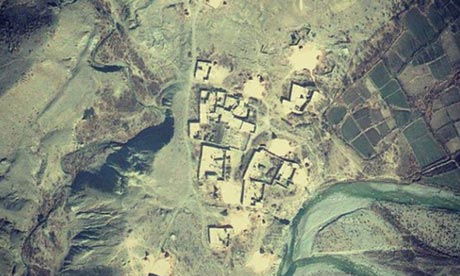 The military is normally only too pleased to herald its successes, and to praise the courage of the men and women who put their lives on the line for their country. Perhaps it is the link (or lack of it) between these two that encourages them to talk-up certain missions, and come over all sheepish when it comes to drones.
Piloted by remote control from thousands of miles away, Unmanned Aerial Vehicles (UAVs) have been the one unqualified military triumph of the war in Afghanistan. That is, if "success" comes in an equation where lots of people get killed, at next to no risk, at an affordable price.
Poles apart: satellites reveal why Antarctic sea ice grows as Arctic melts
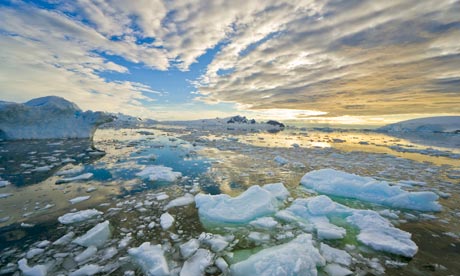 The mystery of the expansion of sea ice around Antarctica, at the same time as global warming is melting swaths of Arctic sea ice, has been solved using data from US military satellites.
Two decades of measurements show that changing wind patterns around Antarctica have caused a small increase in sea ice, the result of cold winds off the continent blowing ice away from the coastline.
Fracking Runs Afoul of Hometown U.S.A.
 Filled with nostalgia for hot days and salty sweet Cracker Jacks, each year hundreds of thousands of baseball fans make the pilgrimage to this tiny village in the northern Catskill Mountains to celebrate America's oldest past time.
But Cooperstown's draw goes beyond Doubleday Field and the National Baseball Hall of Fame. Its rustic yet sophisticated charm lures city dwellers and out-of-state homesteaders craving fresh air, rural landscapes and down-home attractions. Spend a day in Cooperstown and it's easy to see why novelist James Fenimore Cooper immortalized it in The Leatherstocking Tales.
Israel reports 'direct hits' on Syrian target
 Israeli tanks struck a Syrian artillery launcher Monday after a stray mortar shell flew into Israel-held territory, the first direct clash between the neighbors since the Syrian uprising began nearly two years ago.
The confrontation fueled new fears that the Syrian civil war could drag Israel into the violence, a scenario with grave consequences for the region. The fighting has already spilled into Lebanon, Jordan and Turkey.
Hurricane Sandy Damage Amplified By Breakneck Development Of Coast
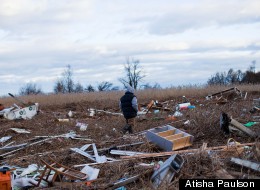 Given the size and power of the storm, much of the damage from the surge was inevitable. But perhaps not all. Some of the damage along low-lying coastal areas was the result of years of poor land-use decisions and the more immediate neglect of emergency preparations as Sandy gathered force, according to experts and a review of government data and independent studies.
Authorities in New York and New Jersey simply allowed heavy development of at-risk coastal areas to continue largely unabated in recent decades, even as the potential for a massive storm surge in the region became increasingly clear.
Alex Baer: Penny Wise and Million-dollar Foolish
Consider the plight of aging garments separated into heaps: this one for fixes, this one for donation, this one for auction in Beverly Hills...
The signature dress worn by Judy Garland in the film, The Wizard of Oz, has been auctioned, bringing $480,000. If that raises an eyebrow, consider this: A similar dress, worn only in tests, last year brought almost twice that -- $910,000.
How are your eyebrows now? Still holding up OK? Think they might un-arch and relax by New Year's? The explanation raised for the price difference is that only a couple test dresses were made, while there were at least seven made for use in the film.
Japan nuclear plant on fault line may be next Fukushima, says geologist
 Japan’s only working nuclear power plant sits on what may be a seismic fault in the earth’s crust, a geologist has warned, saying it is “very silly” to allow it to continue operating.
Mitsuhisa Watanabe says the earth’s plates could move under the Oi nuclear plant in western Japan, causing a catastrophe to rival last year’s atomic disaster at Fukushima — although some of his colleagues on a nuclear advisory panel disagree.
Page 412 of 1167