Environmental Glance
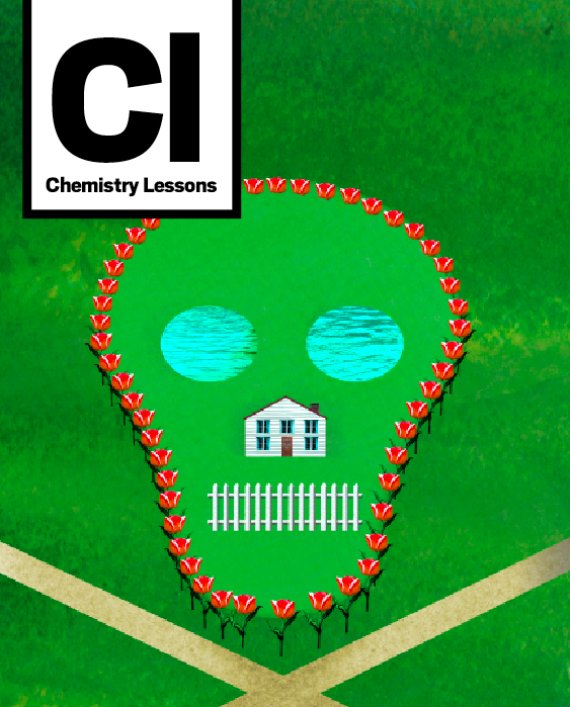 What you do and how you live doesn't matter. You have inhaled them, you've eaten them, you've absorbed them through your skin. You're doing it right now.
If you are an average American, your personal chemical inventory -- embedded in your blood, your breath and your bones -- will include an alphabet soup of phthalates, mercury, perfluorinated compounds, bisphenol A, and assorted chemical flame retardant If you are a new mother, you are passing these chemicals to your child through your breast milk. If you are pregnant, you are delivering them through your umbilical cord.
As you read this, a menagerie of chemical pollutants is coursing through your body
Top Ten Things Climate Change Is Making Worse Right Now
 The onslaught of extreme weather and record temperatures this year have had an impact on people globally, directly through drought and temperature, and more indirectly impacting food prices and public transportation.
Here are 10 impacts we’re seeing right now that climate change is very likely worsening, in some cases playing a major role:
Japan firm ‘told workers to lie’ about radiation dose
 A subcontractor at Japan’s crippled Fukushima nuclear plant told workers to lie about possible high radiation exposure in an apparent effort to keep its contract, reports said Saturday.
An executive at construction firm Build-Up in December told about 10 of its workers to cover their dosimeters, used to measure cumulative radiation exposure, with lead casings when working in areas with high radiation, the Asahi Shimbun newspaper and other media said.
Nurses demand disclosure of chemicals used in natural gas drilling

Or, imagine you are a public health nurse in a community with many natural gas fracking wells, and you notice complaints of well-water contamination. How can you assess the extent of the issue without baseline data on water quality or knowledge of the chemicals used in the fracking process?
Global Warming's Terrifying New Math
 If the pictures of those towering wildfires in Colorado haven't convinced you, or the size of your AC bill this summer, here are some hard numbers about climate change: June broke or tied 3,215 high-temperature records across the United States.
That followed the warmest May on record for the Northern Hemisphere – the 327th consecutive month in which the temperature of the entire globe exceeded the 20th-century average, the odds of which occurring by simple chance were 3.7 x 10-99, a number considerably larger than the number of stars in the universe.
Known to Kill Cows, Castrate Wildlife, Induce Spontaneous Abortion in Lab Rats... And it's Likely in Your Water
 "Atrazine is the most common chemical contaminant of ground and surface water in the United States. It is a potent endocrine disruptor with ill effects in wildlife, laboratory animals and humans. Atrazine chemically castrates and feminizes wildlife and reduces immune function in both wildlife and laboratory rodents. Atrazine induces breast and prostate cancer, retards mammary development, and induces abortion in laboratory rodents. Studies in human populations and cell and tissue studies suggest that Atrazine poses similar threats to humans. The peer-reviewed scientific studies to support these statements are summarized and can be viewed as you navigate this website."
Whistle-blowing Truck Driver on Law-Flouting Fracking Companies

The subtext, of course, is that people opposed to fracking are at best indifferent to the survival of these communities, at worst utterly opposed to it because of snobbery or hatred for people brave enough to do manual labor.
More Articles...
Page 100 of 203