Environmental Glance
 The Antarctic ozone hole is about one-third to blame for Australia's recent series of droughts, scientists say. Writing in the journal Science, they conclude that the hole has shifted wind and rainfall patterns right across the Southern Hemisphere, even the tropics.
Their climate models suggest the effect has been notably strong over Australia. Many parts of the country have seen drought in recent years, with cities forced to invest in technologies such as desalination, and farms closing.
Earth Day alert: Ozone hole has dried Australia
Earth Day activists protest natural gas drilling
 Earth Day activists rallied on Main Street to protest against the practice of fracking in natural gas drilling in Pennsylvania, though others were completely opposed to any drilling in Marcellus Shale regions of the state.
Late Thursday afternoon, about three dozen Green Party of Pennsylvania members held up signs to ban fracking and protect water and other natural resources as they stood outside the Department of Environmental Protection (DEP) office building and around the corner of Main and Swede streets.
Pebble Mine: an environmental tragedy waiting to happen
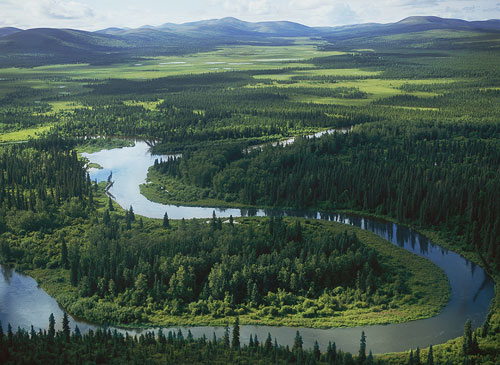 Near my home in Utah, Rio Tinto's massive Bingham Canyon Mine is one of the biggest man-made excavations on Earth and has rendered a large area of local groundwater too polluted for human consumption.
Now, the Rio Tinto and Anglo American companies want to put a mine even bigger than Bingham at the headwaters of our planet's greatest wild salmon river systems in Bristol Bay, Alaska. It's an environmental tragedy waiting to happen.
Their Pebble Mine would be gouged out of an American paradise -- filled with salmon, bears, moose, caribou, wolves and whales -- that has sustained Native communities for thousands of years.
Meltdown - Trickling Down On The Global Population
 "The reactors at Fukushima are the largest in the world, and six of them are in total meltdown. They have been melting down since thirty-minutes after the Tsunami' because the cooling systems went off when the earthquake happened and 90 minutes after the cooling stopped-the reactors went into meltdown. This is all a cover-up, this is a false-flag, this is a poisoning of the oceans the atmosphere and the biosphere. No one can escape."
Chemicals Were Injected Into Wells, Report Says
 Oil and gas companies injected hundreds of millions of gallons of hazardous or carcinogenic chemicals into wells in more than 13 states from 2005 to 2009, according to an investigation by Congressional Democrats.
The chemicals were used by companies during a drilling process known as hydraulic fracturing, or hydrofracking, which involves the high-pressure injection of a mixture of water, sand and chemical additives into rock formations deep underground. The process, which is being used to tap into large reserves of natural gas around the country, opens fissures in the rock to stimulate the release of oil and gas.
Pacific salmon may be dying from leukemia-type virus
 In Canada's Fraser River, a mysterious illness has killed millions of Pacific salmon, and scientists have a new hypothesis about why: The wild salmon are suffering from viral infections similar to those linked to some forms of leukemia and lymphoma.
For 60 years before the early 1990s, an average of nearly 8 million wild salmon returned from the Pacific Ocean to the Fraser River each year to spawn. Now the salmon industry is in a state of collapse, with mortality rates ranging from 40 percent to 95 percent.
Experts fear another oil disaster
 With everything Big Oil and the government have learned in the year since the Gulf of Mexico disaster, could it happen again? Absolutely, according to an Associated Press examination of the industry and interviews with experts on the perils of deep-sea drilling.
The government has given the OK for oil exploration in treacherously deep waters to resume, saying it is confident such drilling can be done safely. The industry has given similar assurances. But there are still serious questions in some quarters about whether the lessons of the BP oil spill have been applied.
More Articles...
Page 142 of 203