Military Glance
 Britain was an active participant in some Israeli war crimes in Gaza, a tribunal chaired by Your Party leader Jeremy Corbyn and two international law specialists has found.
The highly publicised Gaza Tribunal was held last September and its findings were published in a report on Monday.
It was held after the Labour government blocked a bill put forward by former Labour leader Corbyn for a public Chilcot-style inquiry into Britain's military cooperation with Ihttps://www.middleeasteye.net/news/uk-was-active-participant-israeli-war-crimes-corbyn-tribunal-findssrael.
The Gaza Tribunal took evidence from eyewitnesses, UN rapporteurs, journalists, medics and academics.
Monday's report concludes that Britain has "failed in its fundamental obligation to prevent genocide, has been complicit in atrocity crimes, and in some instances has even been an active participant in these crimes".
 A Washington DC grand jury declined to indict six Democratic lawmakers who were denounced by Donald Trump after they made a video urging troops to refuse illegal orders.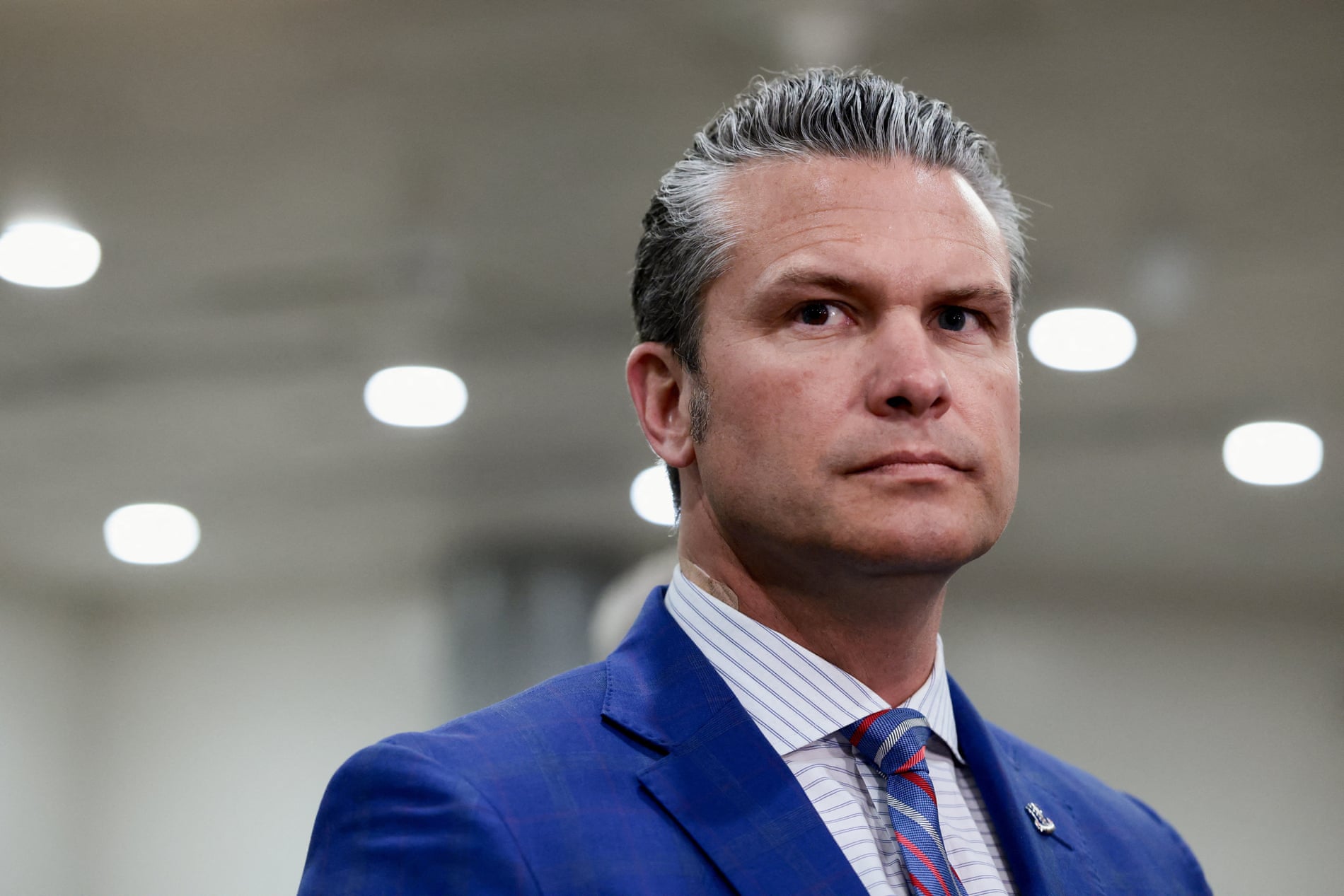
 The US military carried out a lethal strike on a vessel in the eastern Pacific, killing four people, according to defense secretary Pete Hegseth.