



 High levels of a hormone that controls appetite appear to be linked to a reduced risk of developing Alzheimer's disease, US research suggests.
The 12-year-study of 200 volunteers found those with the lowest levels of leptin were more likely to develop the disease than those with the highest. The JAMA study builds on work that links low leptin levels to the brain plaques found in Alzheimer's patients.
Hormone that curbs hunger may guard against Alzheimer's
US 'video terrorist' pair jailed for 17 and 13 years
 Two US men convicted of plotting to aid terrorists by filming landmarks and sending the clips abroad have been given lengthy prison sentences.
Ehsanul Islam Sadequee was jailed for 17 years, three years less than the prosecution had requested. Sadequee, 23, also went to Bangladesh to meet terrorist cells and tried to help a Pakistani militant group. His friend and co-defendant, 24-year-old Syed Haris Ahmed, got 13 years in prison and 30 years supervised release.
British involvement in Iraq war blamed on Blair’s ‘sycophancy’
 British soldiers were sent to their deaths in Iraq because of Tony Blair’s “sycophancy” towards Washington and the failure of the governing class to speak the truth, a former prosecutions chief says today.
Kellner: Stop Electronic Voting
 New York State Elections Board Co-Chair Doug Kellner testifed to the NY Senate last month that the state should "Stop talking about trying to go to electronic voting."
Mr. Kellner further stated that he has "advocated keeping the lever voting machines permanently." During his testimony, Kellner cited many problems in the State's "Pilot Program" for the electronic voting machines used in upstate NY during the Nov. 3rd, 2009 elections.
Millions of missing Bush admin. e-mails found
 Computer technicians have found 22 million missing White House e-mails from the administration of President George W. Bush, according to two groups that are settling lawsuits they filed over the failure by the Bush White House to install an electronic record keeping system.
CREW and Obama Administration Settle Lawsuit over Missing Bush White House Emails
 Under the terms of the settlement, the Executive Office of the President (EOP) will restore a total of 94 days of missing emails, which will then be sent to NARA for preservation and eventual access under either the Presidential Records Act or the Federal Records Act. The dates for restoration were chosen based on email volume and external events because there simply was not enough money to restore all the missing emails. In addition, the EOP will continue to provide CREW and the NSA with records documenting the missing email problem, the response of the Bush White House to that problem, and the options the Bush White House considered for preserving electronic records, but inexplicably rejected.
Bush birth control policies helped fuel Africa's baby boom
 Under President George W. Bush, the United States withdrew from its decades-long role as a global leader in supporting family planning, driven by a conservative ideology that favored abstinence and shied away from providing contraceptive devices in developing countries, even to married women.
WMD treaty violations and inspection refusal for biological, nuclear, chemical weapons. Iran? No, US
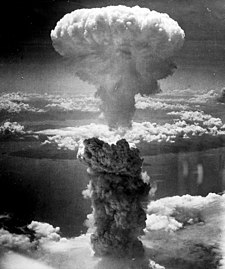 President Obama rejected inspection protocol for US biological weapons, in Orwellian contradiction to his statement to strengthen the Biological Weapons Convention (BWC). This comes after increased US investment in bio-weapons during the Bush Administration with multiple reports of secret and illegal programs.
Secret documents detail Monsanto's seed business domination amid antitrust fears
 Confidential contracts detailing Monsanto Co.'s business practices reveal how the world's biggest seed developer is squeezing competitors, controlling smaller seed companies and protecting its dominance over the multibillion-dollar market for genetically altered crops, an Associated Press investigation has found.
Page 868 of 1168