


 Cancer continues to be one of the world's top causes of death, due in part to delayed discovery of the disease. But according to a recently released study, a simple blood test may be able to identify a variety of cancers in their early stages.
In addition to earlier detection, the study from GRAIL, a biotechnology company, showed that its multi-cancer early detection (MCED) testing method found cancers in organs that don't have routine screening tests. The test, known as Galleri, picked up cancer signals in 216 people, and 133 of them were found to actually have cancer. The study also found that the test correctly predicted the cancer's origin 92% of the time.
Shifting cancer screening options
Because of the lack of screening for many of the most serious cancers, they tend to be found after it is too late. But when tumors are found early on, they are more treatable and possibly curable.
There are currently established screening methods for various cancers, including mammograms, pap tests, colonoscopies, and tests for the prostate and lungs.
The FDA has not yet approved the Galleri MCED testing method; more research is currently ongoing.
 The UN humanitarian relief chief, Tom Fletcher, has sounded the alarm over rising violence in the occupied West Bank, where attacks by Israeli settlers on Palestinians and their property continue to escalate.
 A deadly listeria outbreak connected to prepared pasta meals sold at grocery chains nationwide is worsening, federal health officials say.
 In a possible reprieve for millions of families on the brink of losing food aid, two federal judges have ruled the Trump administration cannot stop funding for SNAP benefits amid a protracted government shutdown.
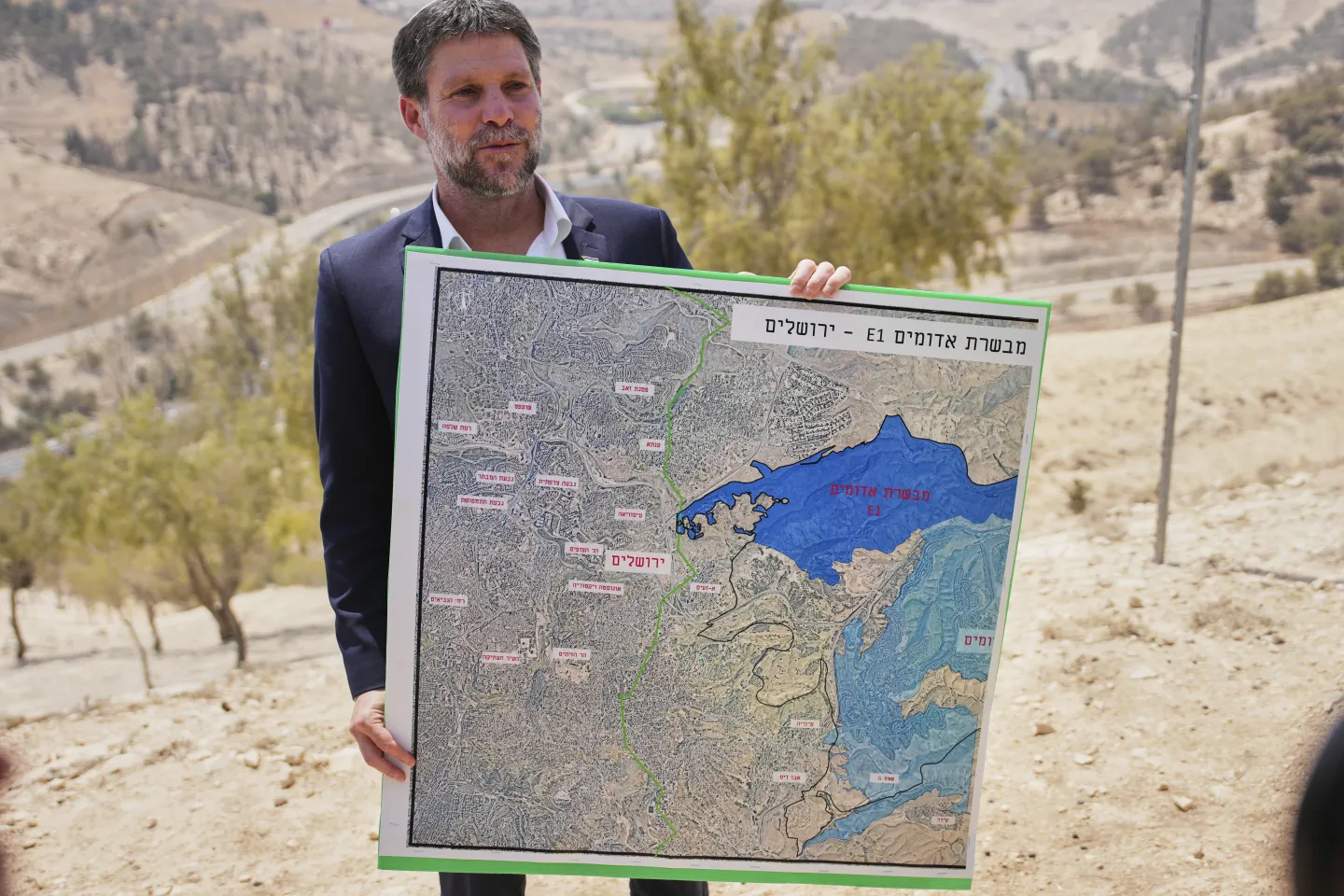 Far-right Israeli Finance Minister Bezalel Smotrich has said that the Higher Planning Council will approve the construction of 1,973 new settlement units in the occupied West Bank during its next session.

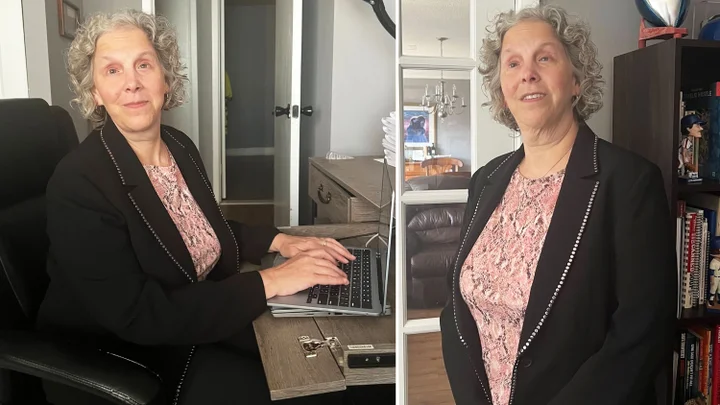 Christine Faltz Grassman was stunned when she received a layoff notice from the Department of Education on Oct. 11, 10 days after being furloughed due to the government shutdown.
 The White House has fired six members of the U.S. Commission of Fine Arts, the independent federal agency that advises the president and Congress on design plans for monuments, memorials, coins and federal buildings. The seven member commission is made up of experts in architecture, art, urban and landscape design. Since its creation in 1910, the commission has reviewed plans for everything from Arlington National Cemetery to Maya Lin's Vietnam Veterans Memorial.