Journalism Glance
 The Israeli police is operating a special department in the occupied West Bank to monitor foreign journalists who wish to enter Israel or the occupied Palestinian territory.
According to a report by Haaretz on Tuesday, the special police department works closely with Israel's Population and Immigration Authority, which is stationed at international crossings as well as the Allenby Bridge Crossing in the West Bank.
Haaretz obtained a police document detailing articles and social media activity by Alessandro Stefanelli, an Italian freelance journalist, who entered Israel and the West Bank several times in the past.
The police deemed Stefanelli critical of Israel, branding him "a journalist and photographer who provides one-sided coverage of Israel".
In July last year, the Italian journalist was informed that his visa to Israel had been revoked, with the Israeli embassy in Rome not providing any explanation as to why his visa was cancelled.
Despite this, Stefanelli tried to enter the West Bank through the Allenby Bridge Crossing, which connects the Palestinian territory to Jordan, but was denied entry by the Population and Immigration Authority.
Stefanelli "calls for international intervention against 'settler violence' and draws a one-sided map" a police report said after he filed a petition to an Israeli court to grant him access to Israel and the West Bank, further accusing the journalist of being "in contact with militants".
 Jimmy Kimmel is making sure Stephen Colbert has the spotlight as CBS' "The Late Show" wraps.
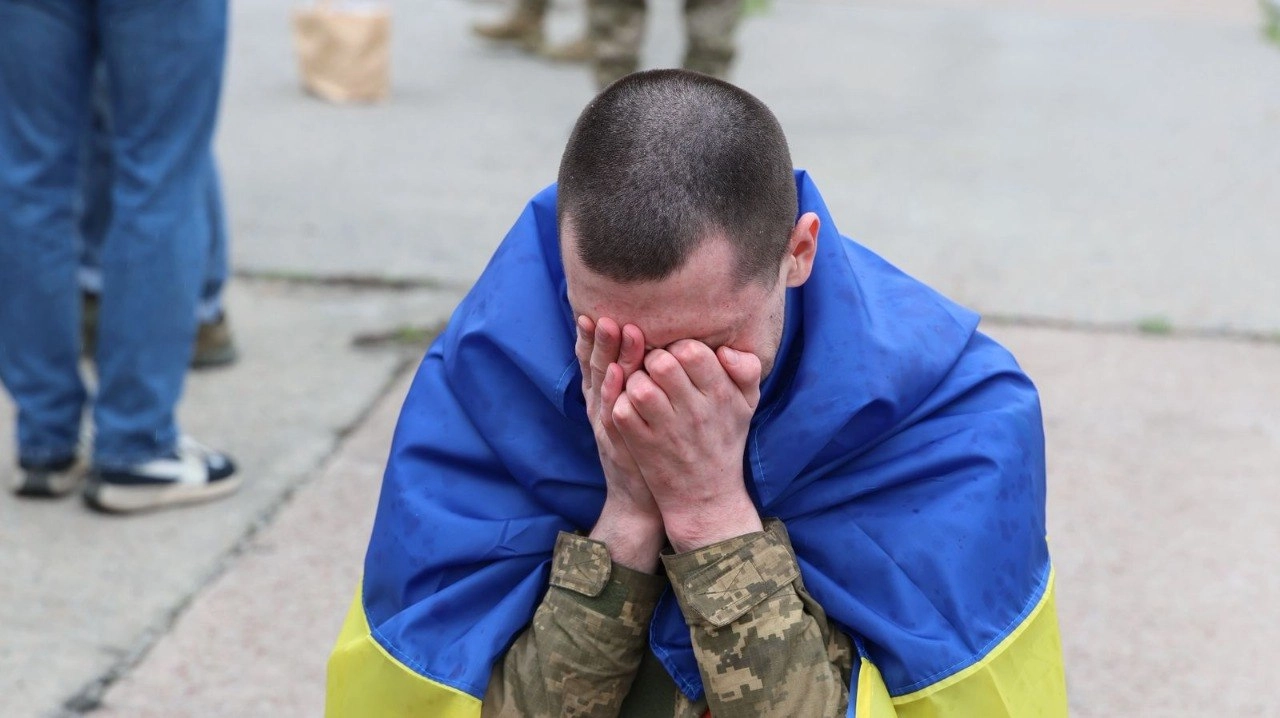 Ukraine successfully conducted its 72nd prisoner exchange on Saturday, April 11, bringing home 182 citizens from Russian captivity just ahead of the Orthodox Easter holiday. The swap resulted in the release of 175 military personnel and seven civilians, according to the Coordination Headquarters for the Treatment of Prisoners of War.
 Immigration and Customs Enforcement agents arrested a journalist working for local news outlet Nashville Noticias during a March 4 traffic stop in South Nashville, according to an emergency petition filed by her attorneys in federal court.
 President Donald Trump escalated his push to raise tariffs without the Supreme Court's backing on Feb. 21, announcing he would up the 10% worldwide tariff he announced after the nation's highest court ruled against him to 15%.