


 Since September, 16 major drug companies have inked deals with the Trump administration to lower prices. But in January — the time of year when pharmaceutical companies typically roll out price hikes — all 16 companies released higher list prices for some of their drugs.
The agreements, nicknamed "most favored nation" deals, were aimed at getting lower prices for American consumers and pushing other wealthy countries to pay higher prices for new drugs.
But drug companies, including the 16 that made deals, raised the prices of 872 brand-name drugs in the first two weeks of 2026, according to a new analysis by 46brooklyn, a drug price research firm.The drugs with price hikes included medicines to treat cancer, heart failure and Type 2 diabetes. The price of some COVID shots also went up.
"The real truth serum is what's happening in the marketplace after those deals occur," says Antonio Ciaccia, CEO of 46brooklyn, a nonprofit that tracks the list prices of prescription medications. "January is prime time for list price changes on brand-name drugs. So in examining where we are today, we're pretty much in line with the last few years."
 European troops were arriving in Greenland on Thursday in a show of support, as leaders scrambling to respond to President Donald Trump’s threats were thrown another American curveball.
 US civil rights pioneer Claudette Colvin, arrested at age 15 for refusing to give up her bus seat to a white woman in Montgomery, Alabama, nine months before Rosa Parks’s similar but more famous act of defiance, died on Tuesday at age 86.
 Russian strikes damaged the Polish consulate in the southern Ukrainian city of Odesa overnight, according to Poland’s Foreign Ministry spokesman Maciej Wewiór.
 Several faculty groups have denounced the Trump administration’s efforts to obtain information about Jewish professors, staff and students at the University of Pennsylvania – including personal emails, phone numbers and home addresses – as government abuse with “ominous historical overtones”.
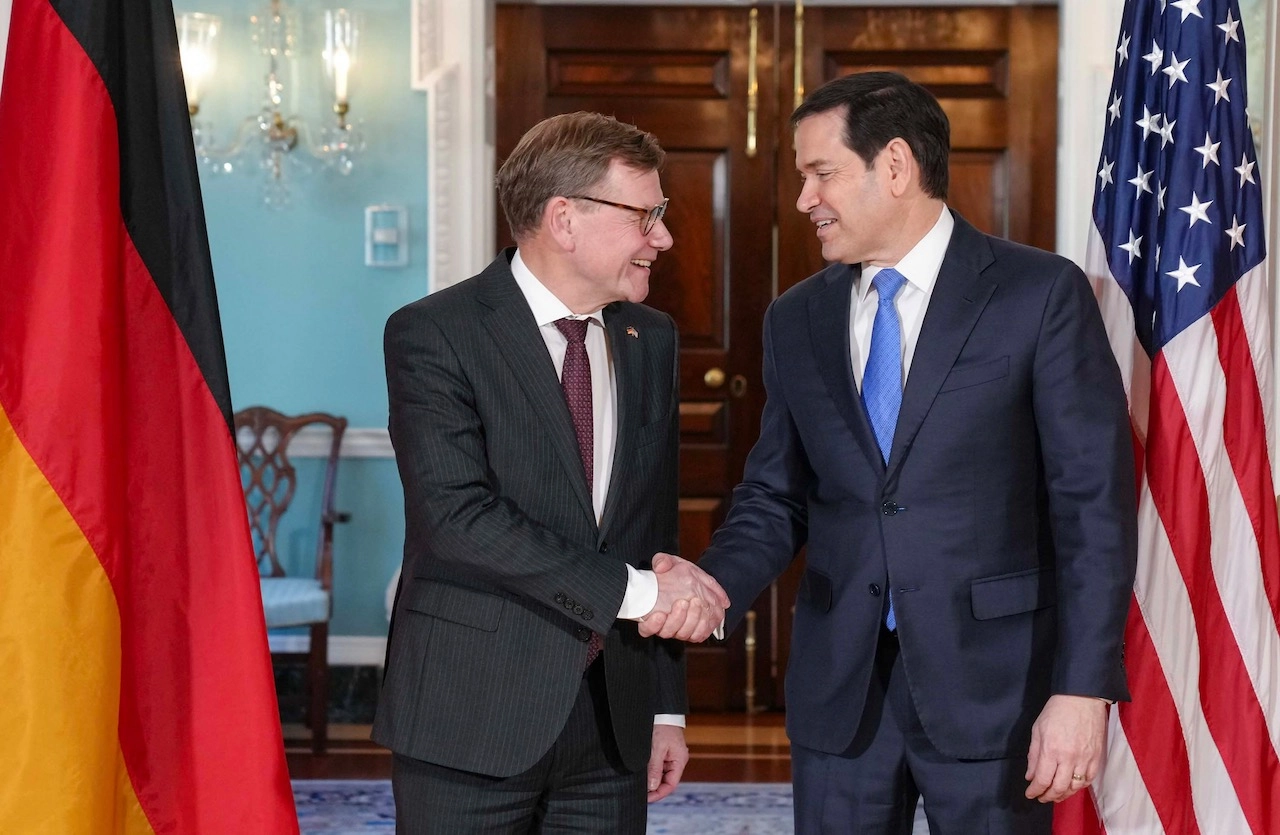 Ukraine was a priority, not the priority, as Germany’s foreign minister Johann Wadephul touched down in Washington early this week.