
 The deposed Venezuelan president Nicolás Maduro pleaded not guilty to drugs, weapons and narco-terrorism charges on Monday, two days after his capture by US special forces in an operation ordered by Donald Trump that sent shockwaves around the world.
The brevity and formality of the arraignment hearing in federal court in Manhattan – barely 30 minutes during which Maduro was asked to confirm his name and that he understood the four charges against him – belied the far-reaching consequences of the US action.
As Maduro and his wife Cilia Flores addressed the court in lower Manhattan, the UN security council held an emergency meeting just a few miles to the north, where a dozen countries condemned the US “crime of aggression” and secretary general António Guterres suggested the operation constituted a breach of international law.
Maduro, 63, insisted to federal judge Alvin Hellerstein that he was “still president of my country”, had been illegally “captured” at his Caracas home, and was “a prisoner of war”.
“I am innocent. I am not guilty. I am a decent man,” Maduro said in Spanish during repeated attempts to speak over the judge.
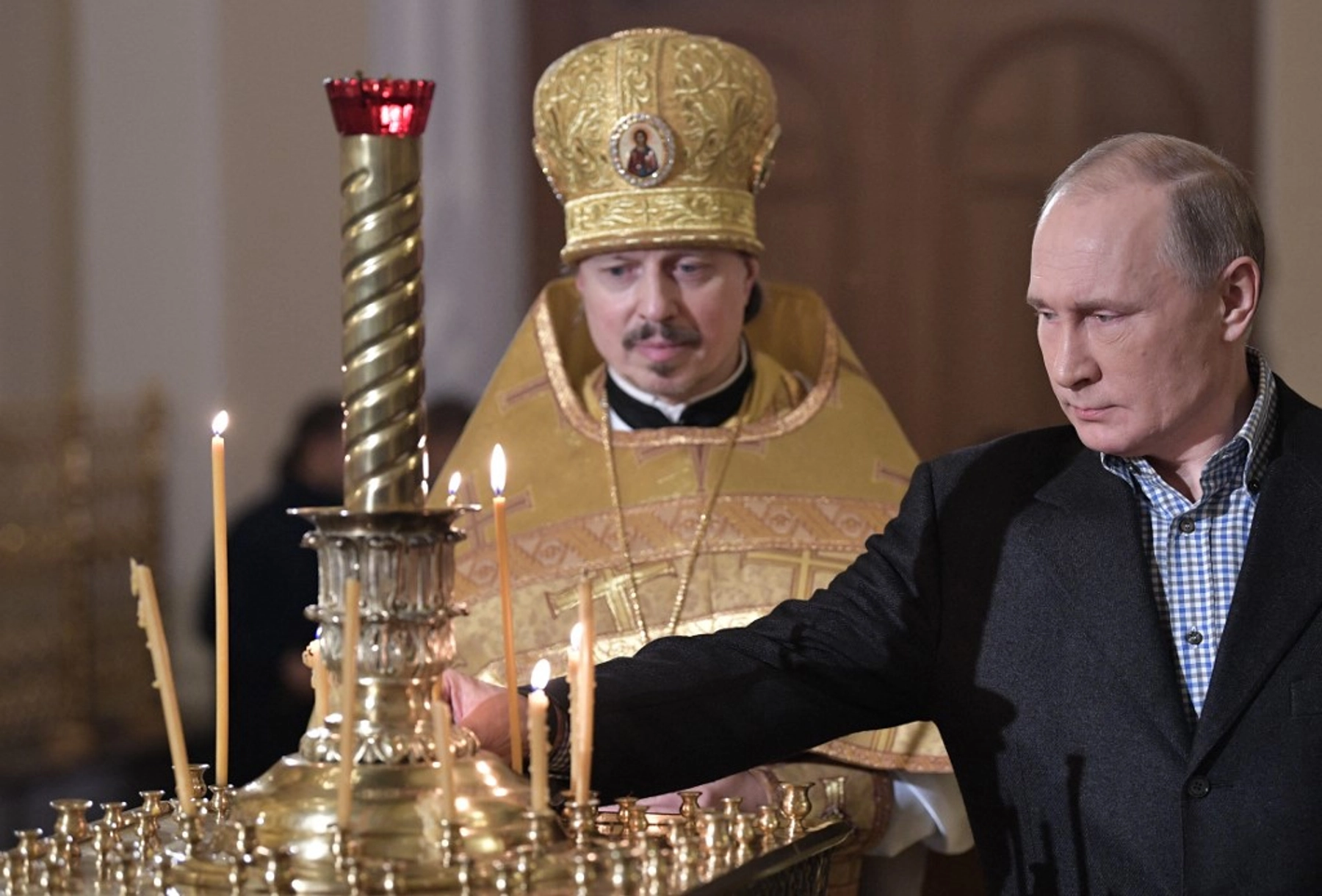 The Kremlin is preparing to massacre civilians then use fake news messaging in state-run and co-opted international media to pin blame for the mass casualty event on Ukraine, Ukraine’s Foreign Intelligence Service of Ukraine (SZRU) said on Friday in a rare public statement.
 It’s not quite a new year resolution, and it’s certainly not a prediction. Think of it instead as a hope or even a plea for the next 12 months. May the coming year see those leaders who have done so much damage to their own countries, and far beyond, at last be called to account. Let 2026 be a year of reckoning.
 New York City Mayor Zohran Mamdani on Saturday condemned the Trump administration over the U.S. military operation in Venezuela that led to the capture of its president, calling it an “act of war.”
 The United States will “run” Venezuela following an overnight military operation where Venezuelan leader Nicolás Maduro and his wife were captured and explosions rocked the country’s capital of Caracas, President Donald Trump said Saturday.
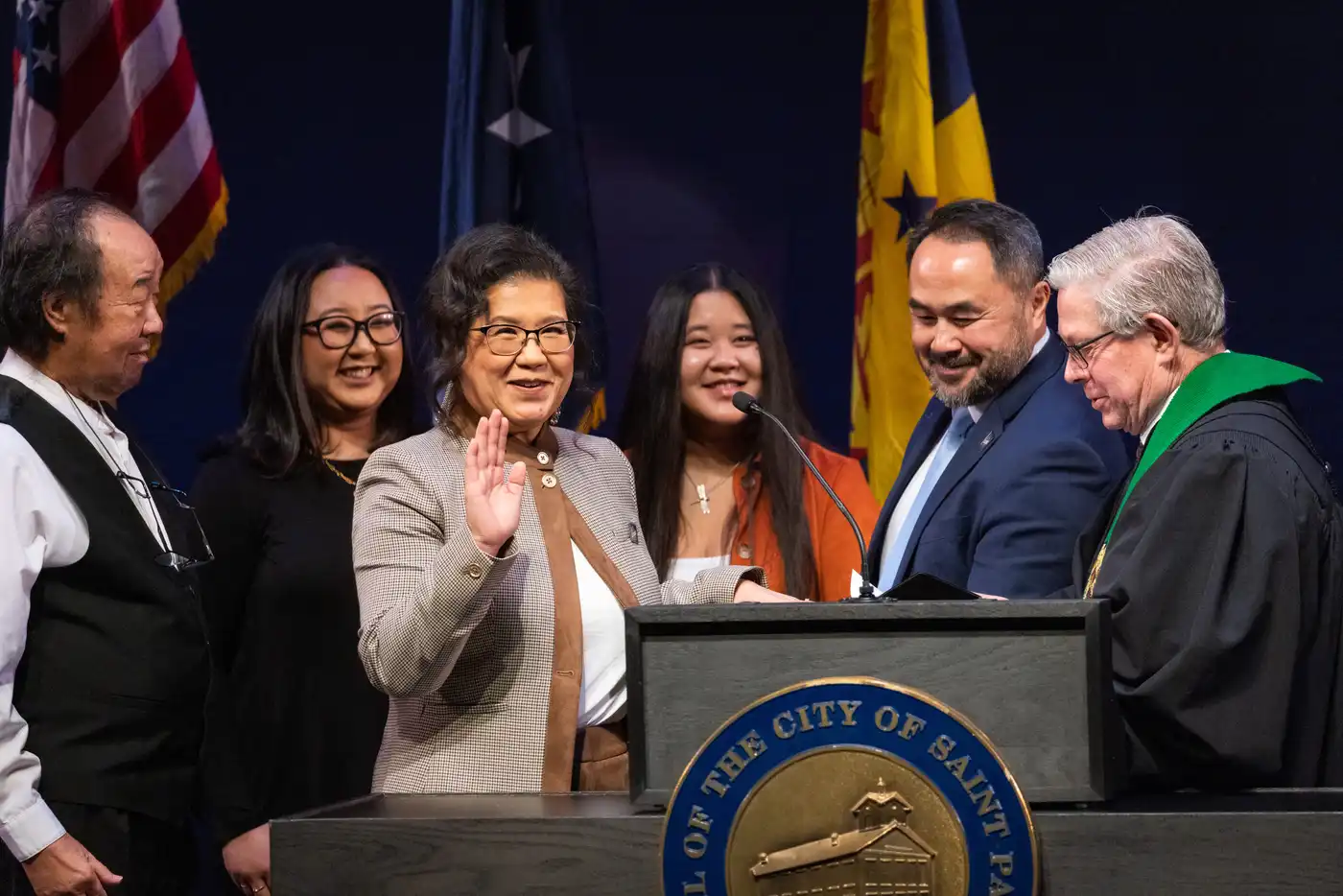 The journey that brought Kaohly Her to St. Paul’s mayor’s office started in a bamboo hut some 8,000 miles from Minnesota's capital city.
 Billionaires raised fortunes against him. The president threatened to strip his citizenship. Mainstream synagogues slandered him as the spawn of Osama bin Laden and Chairman Mao. But today, Zohran Mamdani became the first socialist mayor of New York City.
 Ukraine’s Main Intelligence Directorate (HUR) helped Denis Kapustin, the founder of the Russian Volunteer Corps (RVC) who was announced dead last week, to fake his death before claiming the bounty placed on his head by Russian security services, it said on Thursday.