



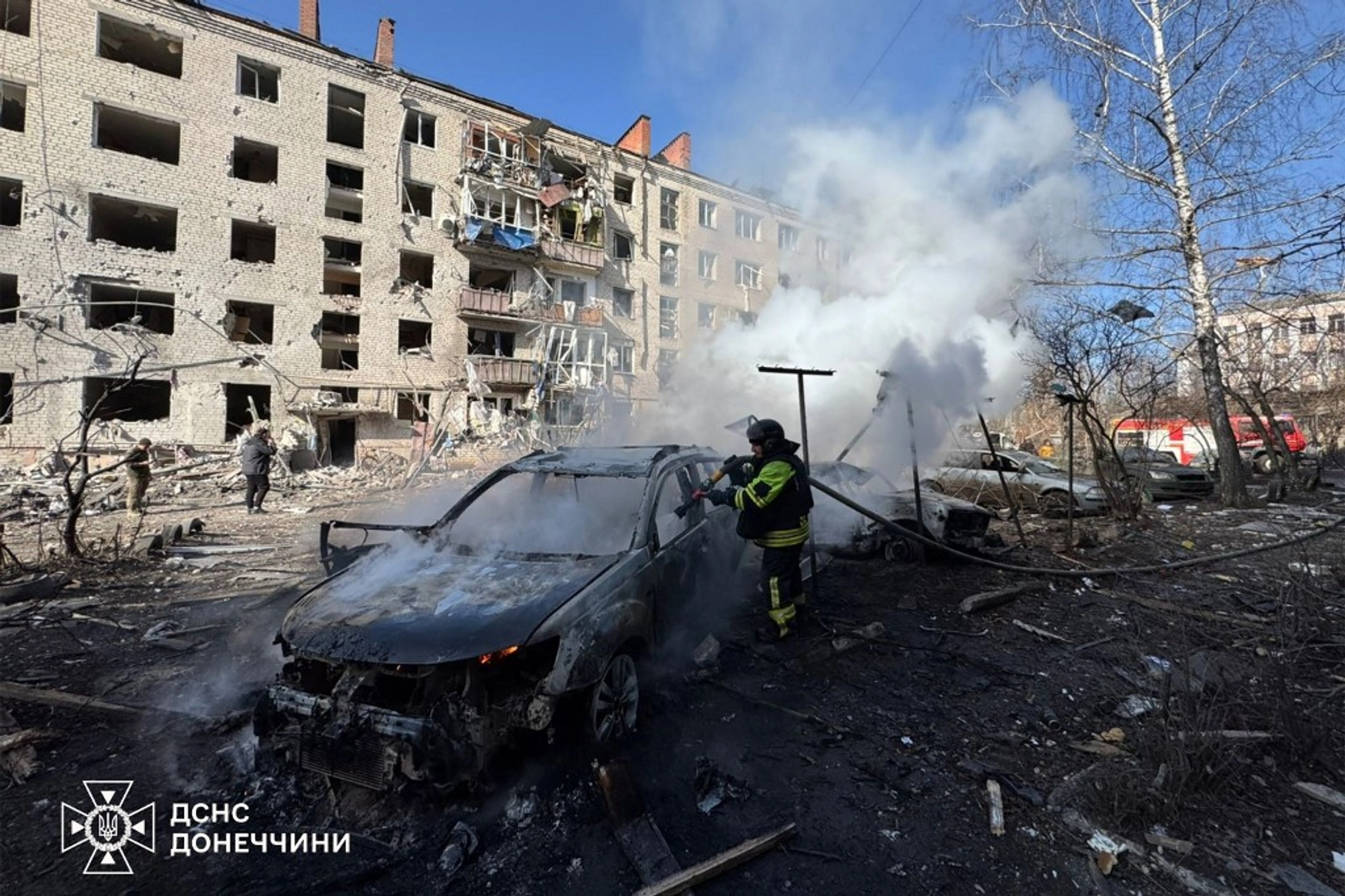
 Vadym Filashkin, governor of Ukraine’s eastern Donetsk region, signed an order to forcibly evacuate children living on roughly 30 of the streets in the city of Sloviansk most vulnerable to Russian shelling on Friday.
Sloviansk is just 13 km (8 miles) from the front line. Russia controls roughly 80 percent of the Donetsk region.
“Saving lives is the most important thing. Especially the lives and health of children who are not able to make decisions and leave on their own,” Filashkin said in a Telegram post.
“The order has been submitted for approval to the Coordination Headquarters for Evacuation Measures and Effective Response to Mass Displacement of the Population, established by the Cabinet of Ministers of Ukraine,” he added.
 Towering flash floods and an imminent dam failure in the northern part of Oahu triggered evacuation warnings in Hawaii on Friday, as the state continued contending with a powerful storm this week.
 Former FBI Director James Comey has been subpoenaed by federal prosecutors in Miami as part of the U.S. Justice Department's investigation into former officials who have previously probed and prosecuted President Donald Trump, CBS News and Axios reported on Thursday, citing sources.
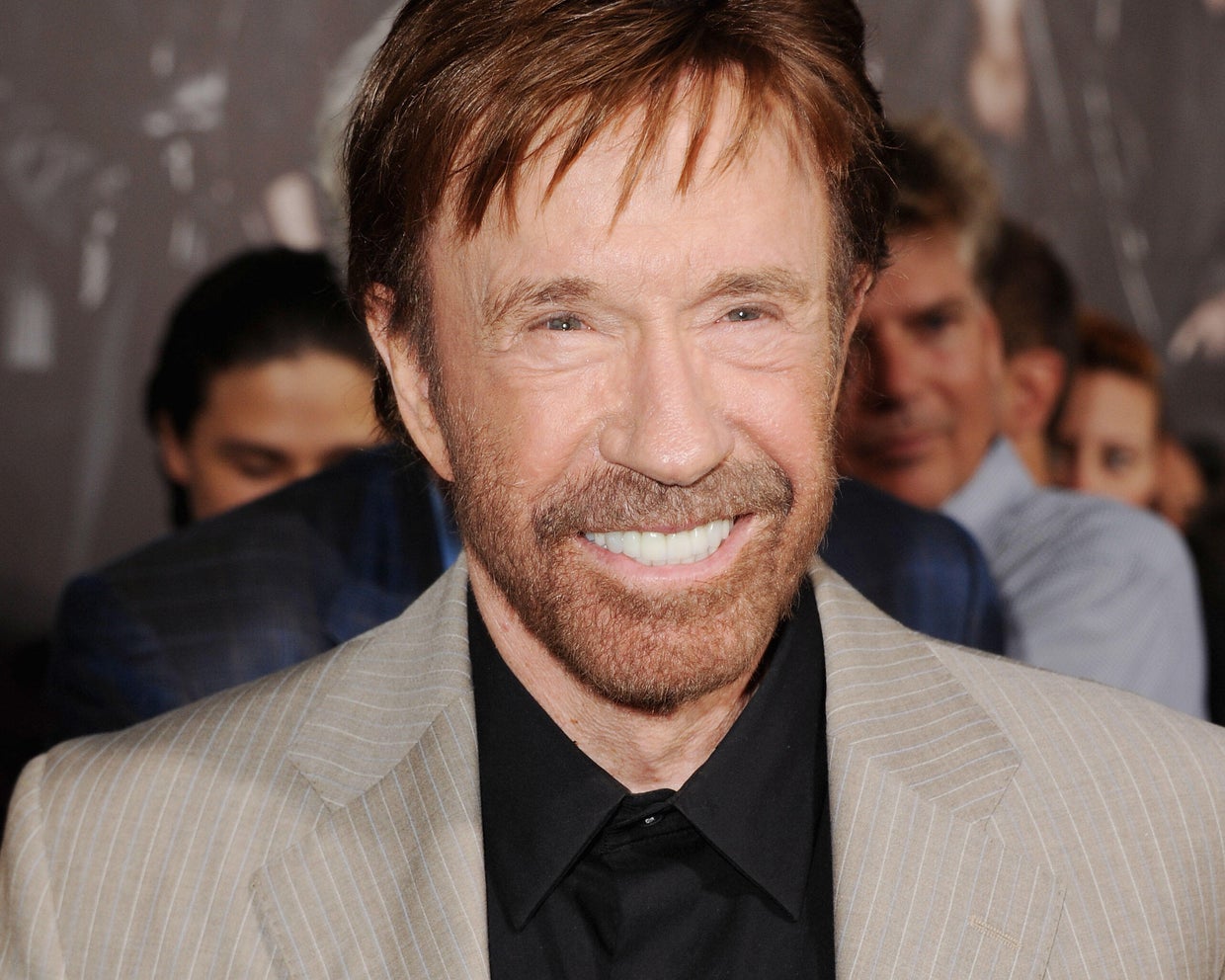 Action star and martial artist Chuck Norris has died, his family said Friday. He was 86.
  US President Donald Trump on Thursday America had 'no idea' of Israel's attack on facilities linked to Iran's oil industry in South Pars and Asaluyeh, warning of severe military consequences if Tehran launches more attacks on Qatar's energy infrastructure, as tensions across the Gulf escalated following strikes on major liquefied natural gas facilities.