



Minnesota Gov. Tim Walz (D) warned Tuesday that 5-year-old Liam Conejo Ramos’s detention could be far from an isolated case.
“Here’s the thing, we don’t know how many others are in the same situation that didn’t get a photo that went viral,” Walz said during a Tuesday press conference as he denounced the ways ICE had targeted schools and students.
In a letter he sent this week, Walz also pressed Department of Homeland Security Secretary Kristi Noem to reveal the number of children who’ve been detained in Minnesota.
“Incredibly, his case is only one of many. Each day brings new reports of children detained by ICE,” Walz wrote.
Walz’s statements underscore how the detention of children has skyrocketed under the Trump administration, and also point to how limited the oversight is of the treatment of kids in federal detention.
According to an analysis by The Marshall Project, ICE held roughly 170 children on an average day during President Donald Trump’s second term, a major uptick compared to the last year of former President Joe Biden’s administration. In the last 16 months of the Biden administration, ICE held about 25 children per day.
 President Donald Trump said Iran's supreme leader, Ayatollah Ali Khamenei, should be worried about a U.S. military building up in the region, and hinted at a new round of strikes if Tehran attempts to restart its nuclear program.
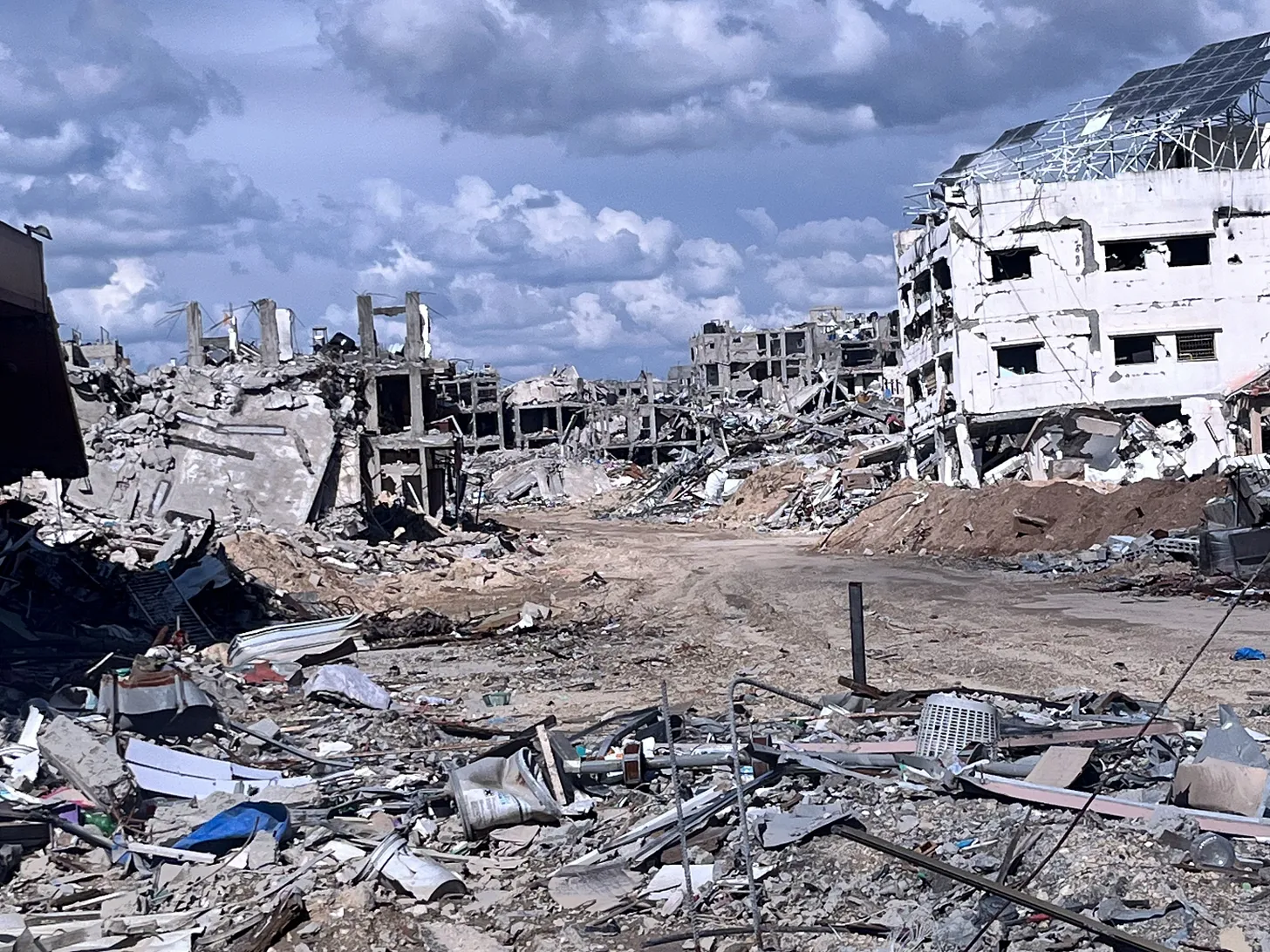 In February 2024, just over three months into Israel’s war on Gaza, U.S. ambassador to Israel, Jack Lew, and his deputy, Stephanie Hallett, blocked an internal cable intended for wider distribution among senior officials in the Biden administration that warned northern Gaza had turned into an “apocalyptic wasteland,” according to Reuters.
 Immediately after a US border patrol agent shot two people in Oregon last month, the Department of Homeland Security (DHS) said the targets were “vicious” gang members connected to a prior shooting and alleged they had “attempted to run over” officers with their vehicle.
 Russian forces attacked a bus carrying miners in Ukraine’s Dnipropetrovsk region on Sunday, Feb. 1, killing 15 people.