Environmental News Archive




Over the past century, global average temperatures appear to have risen faster than at any time since the end of the last ice age 11,300 years ago, and perhaps longer. Meanwhile, the magnitude of the increase has been unmatched in at least the past 4,000 years.
Researchers say those are the implications of a new study that uses natural stand-ins for thermometers to trace temperature trends back to the beginning of the current warm, interglacial period. Significantly, the study’s findings suggest the current warming trend cannot be explained by naturally occurring temperature variability, a lingering issue in the debate over the impact of human activity on global warming.
 A coalition of health and environmental groups gathered in Carmel, New York yesterday following the meeting of the Putnam County Board of Legislators to congratulate the legislators for voting to prohibit the sale, application and disposal of waste products in the County from natural gas drilling operations.
 Even if foes of the Keystone XL pipeline block it, companies seeking to get Canada’s oil sands to U.S. and world markets could travel the old-fashioned way: by rail.
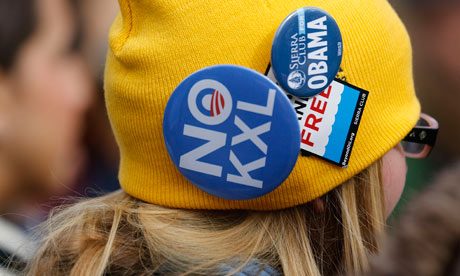 Green activists and climate change scientists have slammed a new report from the Obama administration that raises no serious objections to building a massive and controversial oil pipeline.
 New York Gov. Andrew Cuomo came as close as he ever has to approving fracking last month, laying out a limited drilling plan for as many as 40 gas wells before changing course to await the findings of a new study after discussions with environmentalist and former brother-in-law Robert F. Kennedy Jr., several people familiar with his thinking told The Associated Press.
 When looking for evidence of humanity's hand in climate change, it's easy to spot the belchers of greenhouse gases sitting at eye level: snaking rivers of bumper-to-bumper cars, say, or vapor-shrouded smokestacks at power plants.
 Almost exactly nine months ago on May 22, 2012, I wrote an editorial in the Fort Collins Coloradoan newspaper, Fort Colllins Should Ban Fracking. And yesterday, on Feb. 19, a sharply divided Fort Collins City Council voted 5-2 to ban fracking in the City of Fort Collins.
 On Sunday, an estimated crowd of 35,000 people joined the Forward On Climate rally in Washington, DC, where protesters delivered a clear message to President Obama: Take immediate action on climate change by rejecting the Keystone XL tar sands pipeline.