Energy Glance
 The U.S. nuclear industry is turning up the power on old reactors, spurring quiet debate over the safety of pushing aging equipment beyond its original specifications.
The little-publicized practice, known as uprating, has expanded the country's nuclear capacity without the financial risks, public anxiety and political obstacles that have halted the construction of new plants for the last 15 years.
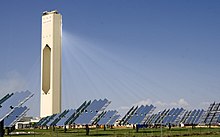 Scientists at the University of Michigan have discovered a new effect from an old property of light, which they say could lead to an "optical battery" that converts sunlight to electricity at a fraction of the cost of today's photovoltaic cells.
 Cassie Spencer said she nearly "had a cow" when she returned home one day and saw her yard sprinkled with little red flags, like land mine markers in a war zone. Her 5-year-old daughter was playing in the midst of them. The family property had become a methane field.
 Transocean Ltd. gave its top executives bonuses for achieving the “best year in safety performance in our company’s history” — despite the explosion of its oil rig that killed 11 people and spilled 200 million gallons of oil into the Gulf of Mexico.