


 When Leen Ezzeddine stood before her classmates at Harvard Medical School, the moment could have been framed as a familiar story of immigrant success: a Lebanese woman graduating as a doctor from one of the world’s most prestigious institutions.
But Ezzeddine chose to tell a different story.
In her graduation speech last week, she spoke of circumstance, borders, luck and the thin line separating her life from the lives of medical students in Lebanon and Palestine who share the same ambition but are made to study under drones, bombardment and displacement.
That line, for her, was not abstract. While she was pursuing her studies at Harvard, a US missile launched by Israel levelled her family home in Arab Salim, her mother’s village in southern Lebanon, in October 2024.
It was the village where she used to spend her summers, surrounded by cousins, relatives, and her grandparents, Hayat Chamseddine and Ali Zayour, who were later forced to leave and relocate to Beirut after their house was destroyed.
The contrast was stark: she was standing in Harvard as a new doctor, while the village that helped shape her childhood and family memories was being attacked.
That contradiction became the emotional and political centre of her intervention.
Her speech was not only about Gaza, or Lebanon, or the violence of war. It was about what it means to become a doctor inside an elite institution while entire communities are being denied the basic conditions of life.
 Knocking on strangers’ doors on a warm May afternoon in Trenton, New Jersey, Adam Hamawy did not seem fazed when more than a few went unanswered.
 The Israeli military issued new evacuation warnings for residents of several villages in southern Lebanon, ordering them to move north of the Zahrani River.
 The US military said it had carried out another strike Friday on a boat accused of smuggling drugs in the eastern Pacific Ocean, killing three men in the third attack this week and pushing the overall death toll above 200 people.
 Israel’s plans to explore for gas off the coast of Gaza have drawn condemnation from rights groups and environmental advocates.
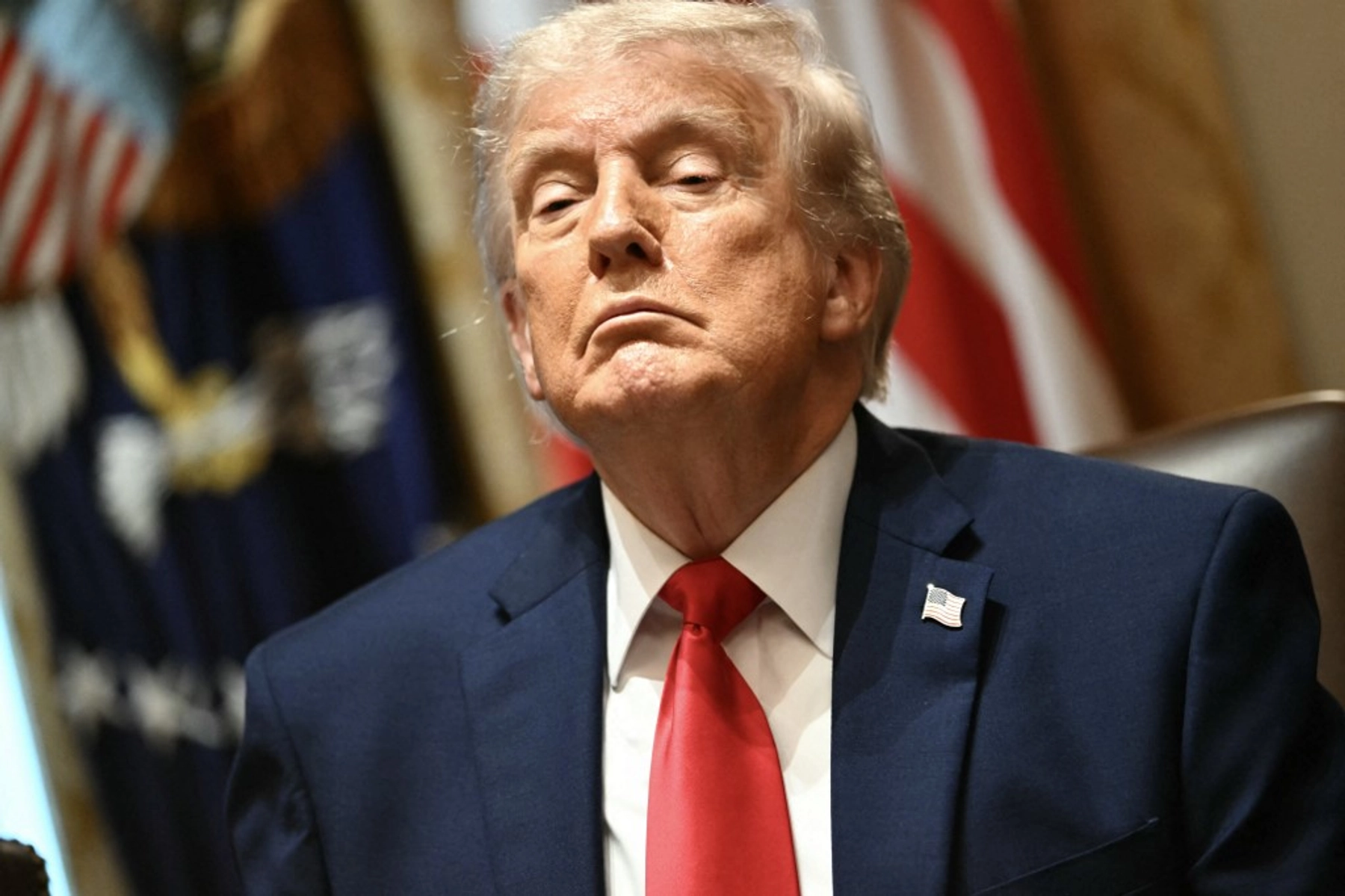 US President Donald Trump has threatened or used force against countries representing roughly one in 11 people worldwide, according to a CNN analysis.
 The White House is pushing Congress to approve a $250 bill bearing Donald Trump’s portrait, the US treasury secretary, Scott Bessent, said, which would require changing longstanding federal law that prohibits any living person from appearing on US currency.