



 Israel may have committed war crimes in a double-tap attack on a Gaza hospital that killed Palestinian journalists, medics and first responders, an investigation by The Independent has found.
The strikes on Nasser Hospital in southern Gaza on 25 August 2025 killed 20 people, including Middle East Eye contributors Mohamed Salama and Ahmed Abu Aziz, and The Independent correspondent Mariam Abu Dagga.
The first strike hit Reuters cameraman Hussam al-Masri as he operated his camera, killing him.
Journalists, medics and first responders rushed to the scene to report on the attack and help the wounded. Eight minutes later, as a large crowd gathered, two more projectiles were fired from Israeli tanks at the group.
The second strike, which killed 19 people, was captured on live television.
International law experts told The Independent that the attack raised serious concerns over potential war crimes, including the intentional targeting of civilians and the launching of a disproportionate attack. They said the second strike was of particular concern.
Israel denies committing war crimes in Gaza and has repeatedly said it does not target journalists.
At the time, Israeli prime minister Benjamin Netanyahu, who is wanted by the International Criminal Court (ICC) over alleged war crimes, described the incident as a “tragic mishap”.
 Ukraine’s allies on Monday pledged to keep up their support amid Russia’s escalating attacks and despite threats from Moscow, as they gathered in Kyiv on Ukraine’s Independence Day.
 At a virtual town hall meeting, Navy families who abruptly evacuated from Bahrain six months ago had many questions. They said they still aren't getting enough answers.
 The documentary American Doctor is an intimate and unflinching look at the decimated healthcare system in Gaza under Israeli assault.
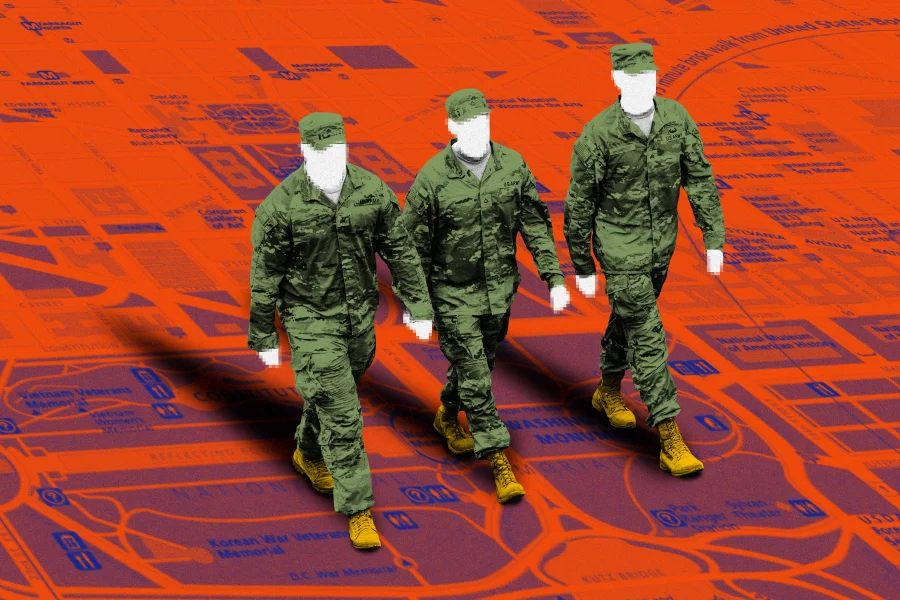 As the sight of armed, uniformed National Guard troops became ubiquitous in Washington, D.C., over the past year, one voice has been notably absent from the public discourse around the deployment: the guard members themselves.
 Donald Trump announced a new 50% tariff on automobiles and crucial raw materials from Canada, the latest deterioration in trade relations between the two neighbors with historically strong economic ties.
 US healthcare officials recently said a food-poisoning outbreak tied to alfalfa sprouts and involving multiple germs had sickened people in at least 15 states.
 It was a routine online meeting with my academic supervisors during the summer. One of them, who had just returned from visiting her home country, spoke about the joy of being surrounded by family, the comfort of familiar places, and the quiet sense of belonging that comes from returning home.