


 A Tuesday court ruling means David Streever of Rochester, New York no longer has to worry that federal officers may threaten him over a harsh email he sent to the former acting director of U.S. Immigration and Customs Enforcement earlier this year.
Streever filed a lawsuit in July arguing ICE agents had violated his First Amendment rights when they tried to track him down at his home, an airport and a hotel to confront him about the email and serve him with a warning notice that said he may have violated the law.
Streever's email compared ICE's former acting director, Todd Lyons, to a Nazi, called him a "monstrous human being" and predicted he would be tormented by his own conscience. Streever told NPR he sent the email after federal immigration officers fatally shot two observers in Minneapolis in January.
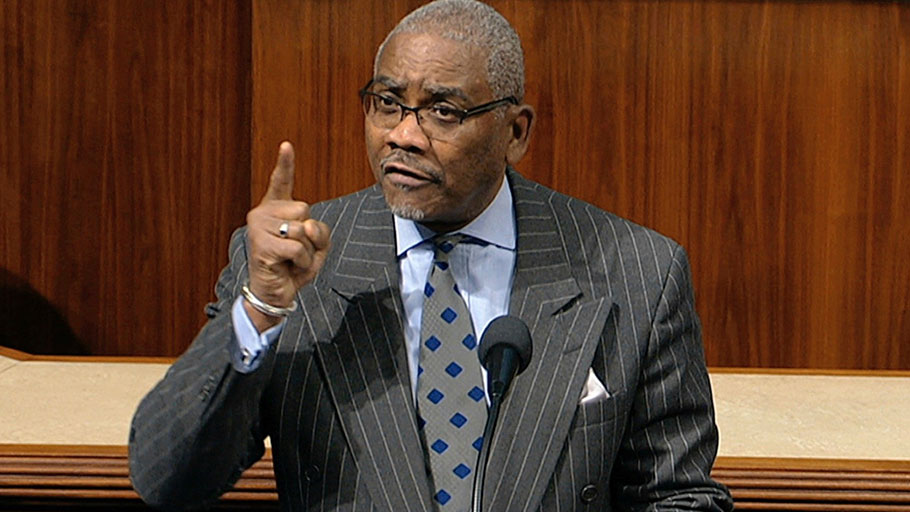 The top Democrat on the House Foreign Affairs Committee took the rare step Wednesday of publicly announcing a hold on the Trump administration’s $2.8 billion plan to sell 40,000 one-ton bombs to Israel.
 After a brief reprieve earlier in the week, President Donald Trump’s approval rating resumed its decline, falling to a new second-term low in the latest Marquette University Law School poll.
 The artist Finneas and three other supporting acts quit Ed Sheeran's tour on Tuesday, after the US rapper Macklemore was removed for his pro-Palestine comments on stage.
 In a statement shared on Instagram, US rapper Macklemore confirmed that “Ed Sheeran and his team” had dropped him from the tour after he said “Free Palestine”.
 Russia’s intelligence services are plotting to carry out targeted killings in the United States and in European nations supporting Ukraine, federal authorities said Tuesday as they announced charges against five people who remain at large.
 The Trump administration is planning to deliver powerful 2,000lb bombs to Israel as part of an upcoming arms deal, weapons that prompted such concerns about the possibility of mass casualties in Gaza that the Biden administration paused their delivery two years ago.
 Herlain, a registered nurse who was born in Haiti, barely leaves her house these days.
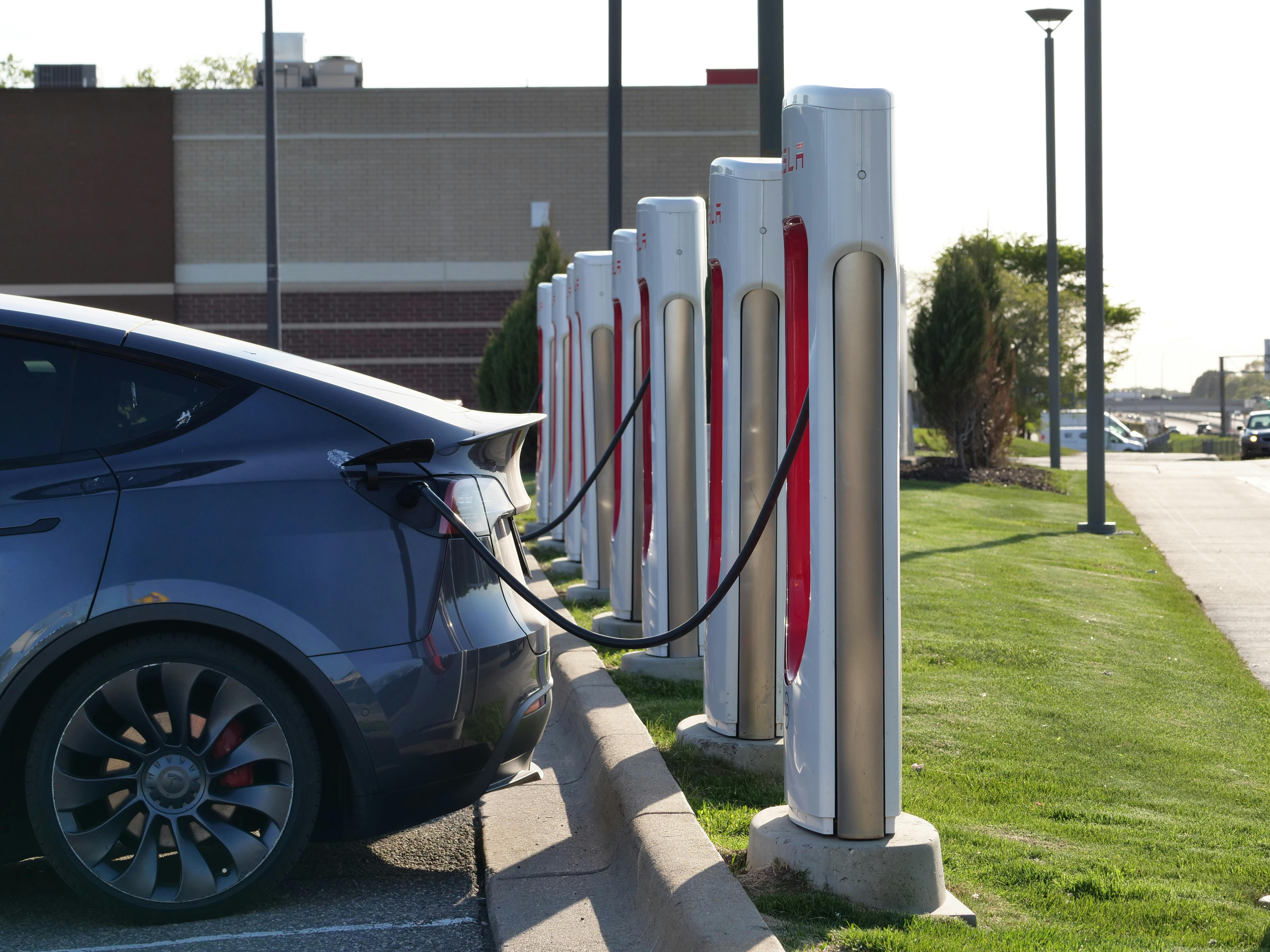 New York City officials have selected Brooklyn-based company it’s electric to expand the city's curbside electric vehicle charging network to 700 charging points from the current 88, the company announced Tuesday.