Health Glance
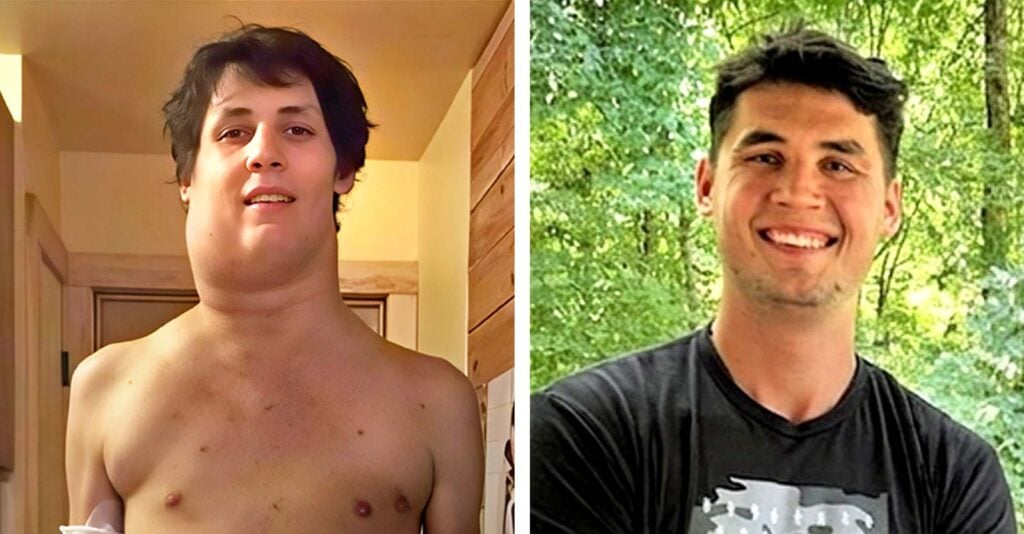 Within months of being soaked with a glyphosate herbicide while working on a cell tower maintenance crew, Tennessee teenager Arden Allison developed a tumor that grew into what he described as “this massive alien sucking the life off of me.”
Arden was 17 when he landed a job maintaining cell towers across the Midwest. According to his mother, Serene Allison, writing in RealClear Health, his duties included spraying weeds around tower sites with Roundup, a glyphosate-based herbicide first made by Monsanto, now owned by Bayer.
“I didn’t realize the danger,” Arden said in a recent interview on CHD.TV. During the two months he spent “mowing, weedeating and spraying around all the cell towers and access roads,” he said he experienced “several different big exposures of glyphosate.”
The worst came when a backpack sprayer malfunctioned. After Arden climbed over a fence, “the lid popped off” the sprayer. He was “completely doused … with glyphosate,” he said. The chemical soaked his neck, shoulders and upper body.
 Diary entries released by a Republican senator in an attempt to damage Anthony Fauci also show the former top US government science adviser’s growing disillusionment with Donald Trump in the first year of the Covid-19 pandemic, branding the president “rambling”, “crazy”, “desperate”, “bumbling”, “incompetent”, “an idiot”, “a true embarrassment”, “totally nuts” and “truly an obnoxious adolescent”.
 A Princess Cruises cruise ship docked in San Francisco has seen an outbreak of
  Authorities in France have placed more than a third of the country under a red heat alert, cancelled some outdoor sports events and restricted alcohol consumption at the nationwide Fête de la Musique event amid a brutal heatwave forecast to push temperatures above 40C.
 One morning early last July, Micha Bitsinnie arrived at work to an onslaught of messages from confused families.