War Glance
 Like much of the rest of the country, a substantial number of American veterans of war in Iraq and Afghanistan don’t think the 10-year effort has been worth the cost.
While those who entered military service after 9/11 generally have a more positive attitude toward the US role in Iraq and Afghanistan, the Pew Research Center reported Wednesday, “only one-third (34%) of these recent veterans say that both wars have been worth fighting.” The report also says, “Nearly as many (33%) say neither conflict has been worth the costs.”
 Details of an amazing American military plan for an attack to wipe out a major part of the British Army are today revealed for the first time.
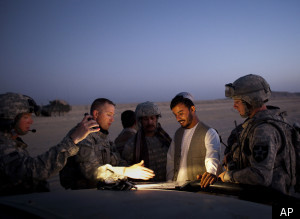 Raziq has long been publicly suspected of drug trafficking and corruption; allegations that he and his men have been involved in extrajudicial killings, torture, and illegal imprisonment have been trickling out for years. Raziq categorically denies all such charges, telling The Atlantic, “When someone works well, then he finds a lot of enemies who try to ruin his name.”
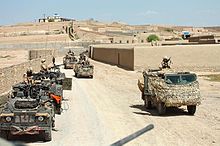 Disturbing footage of Apache attack helicopters killing people in Afghanistan is being shown to frontline British soldiers in "Kill TV nights" designed to boost morale, a television documentary will reveal.
 The Obama administration is assembling a constellation of secret drone bases for counterterrorism operations in the Horn of Africa and the Arabian Peninsula as part of a newly aggressive campaign to attack al-Qaeda affiliates in Somalia and Yemen, U.S. officials said.
 As the Obama administration announced plans for hundreds of billions of dollars more in domestic budget cuts, it late last week solicited bids for the construction of a massive new prison in Bagram, Afghanistan.