Military Glance

As the military focused on fighting wars in Iraq and Afghanistan over nearly a decade, senior leaders have failed to track reckless behavior and monitor alcohol and drug abuse among soldiers back home, said an army report.
US Army failing troubled troops at home: general
Document Reveals Military Was Concerned About Gulf War Vets' Exposure to Depleted Uranium
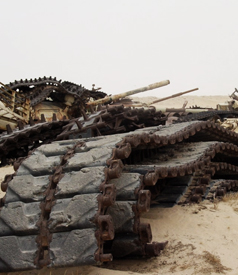 For years, the government has denied that depleted uranium (DU), a radioactive toxic waste left over from nuclear fission and added to munitions used in the Persian Gulf and Iraq wars, poisoned Iraqi civilians and veterans.
But a little-known 1993 Defense Department document written by then-Brigadier Gen. Eric Shinseki, now the secretary for the Department of Veterans Affairs (VA), shows that the Pentagon was concerned about DU contamination and the agency had ordered medical testing on all personnel that were exposed to the toxic substance.
Arlington Cemetery budget chief blew whistle in 2003
 The former budget officer at Arlington National Cemetery warned the Army, the Defense Department's inspector general, the Office of Special Counsel and the Office of Management and Budget about problems at the center of the scandal now unfolding at the cemetery. His concerns were mostly ignored and, at least in one case, smacked down by an Army official with oversight of Arlington.
The former budget officer, Rory Smith, tried repeatedly to blow the whistle on the cemetery's budget irregularities, as top officials began to squander millions in taxpayer dollars, ostensibly to computerize burial records and prevent the interment mistakes documented by Salon over the last year.
V.A. Easing Restrictions On Medical Marijuana
 A new Department of Veterans Affairs policy will go into effect next week allowing patients in its hospitals and clinics to use medical marijuana in states where it is legal. V.A. doctors will still not be able to prescribe medical marijuana, but patients who use it will no longer lose their access to other pain medication.
“When states start legalizing marijuana we are put in a bit of a unique position because as a federal agency, we are beholden to federal law,” said Dr. Robert Jesse, the principal deputy under secretary for health in the Veterans Department.
Pentagon workers tied to child porn
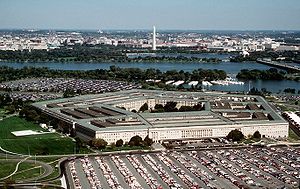 Federal investigators have identified several dozen Pentagon officials and contractors with high-level security clearances who allegedly purchased and downloaded child pornography, including an undisclosed number who used their government computers to obtain the illegal material, according to investigative reports.
Military reckons with the mental wounds of war
 Senior commanders have reached a turning point. After nine years of war in Afghanistan and Iraq, they are beginning to recognize age-old legacies of the battlefield - once known as shellshock or battle fatigue - as combat wounds, not signs of weakness. Gen. Peter Chiarelli, Amos's Army counterpart, has been especially outspoken. "PTSD is not a figment of someone's imagination," Chiarelli lectured an auditorium of skeptical sergeants last fall. "It is a cruel physiological thing."
Army: Record number of suicides for June
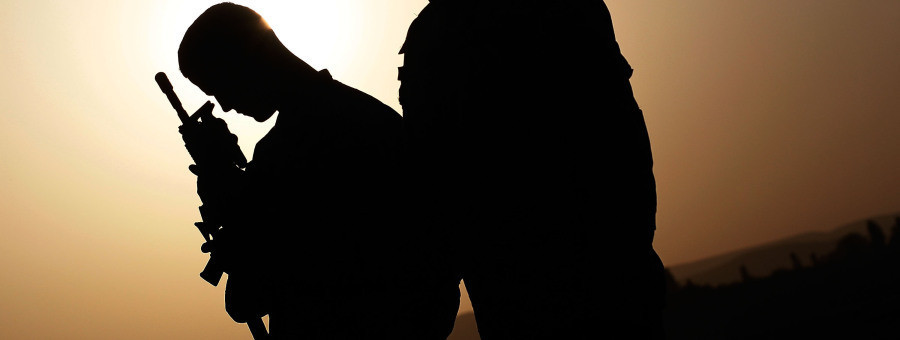 Soldiers killed themselves at the rate of one per day in June, making it the worst month on record for Army suicides, the service said Thursday.
There were 32 confirmed or suspected suicides among soldiers in June, including 21 among active-duty troops and 11 among National Guard or Reserve forces, according to Army statistics.
More Articles...
Page 65 of 100