War Glance

Iran fired six ballistic missiles and 29 drones at Saudi Arabia’s Prince Sultan air base in an attack Friday that injured at least 15 troops, including five seriously, according to two people briefed on the matter. U.S. officials initially reported that at least 10 U.S. troops were injured, including two who were seriously wounded.
More American forcehttps://pbs.twimg.com/media/HEgYnynbUAAWOXX?format=jpg&name=smalls are reaching the Middle East, with a Navy ship carrying about 2,500 Marines having now arrived in the region, U.S. Central Command announced Saturday. The USS Tripoli, an amphibious assault ship, as well as the elements from the 31st Marine Expeditionary Unit that are aboard, are based in Japan. They were conducting exercises in the area around Taiwan when the order came to deploy to the Middle East almost two weeks ago.
Central Command said that in addition to the Marines, the Tripoli also brings transport and strike fighter aircraft, as well as amphibious assault assets to the region. The USS Boxer and two other ships, along with another Marine Expeditionary Unit, have also been ordered to the region from San Diego.
More...https://pbs.twimg.com/media/HEgYnynbUAAWOXX?format=jpg&name=small
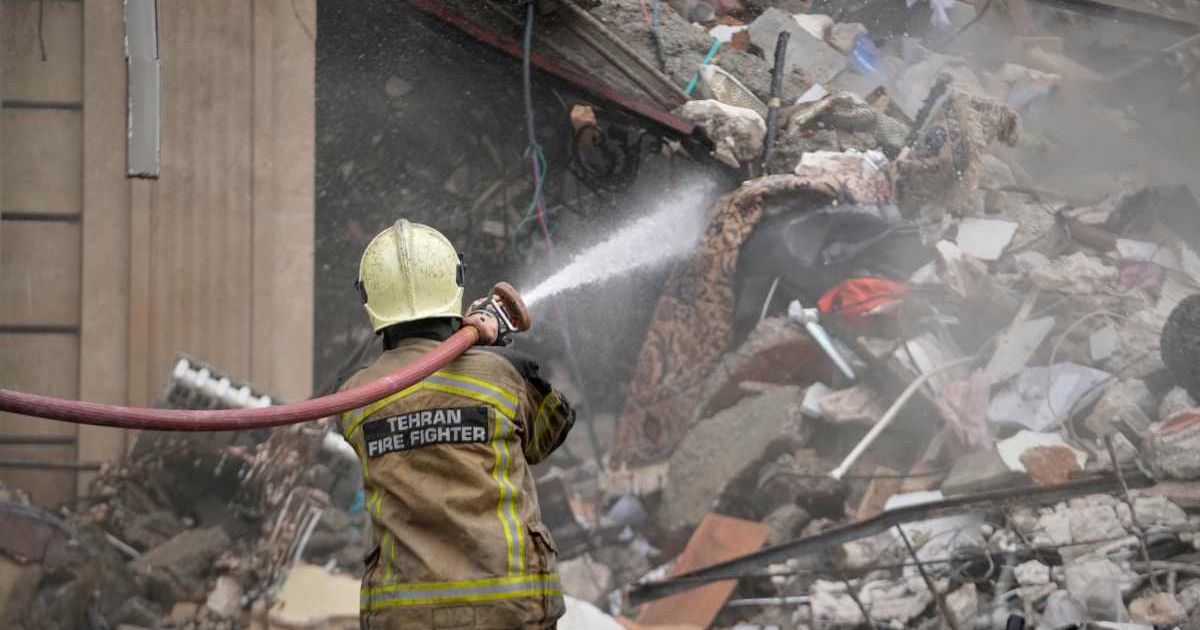 Israel launched another wave of strikes across Iran on Tuesday, March 24, escalating its military campaign after Defence Minister Israel Katz said operations would continue “with full force.”
 US President Donald Trump on Thursday America had 'no idea' of Israel's attack on facilities linked to Iran's oil industry in South Pars and Asaluyeh, warning of severe military consequences if Tehran launches more attacks on Qatar's energy infrastructure, as tensions across the Gulf escalated following strikes on major liquefied natural gas facilities.
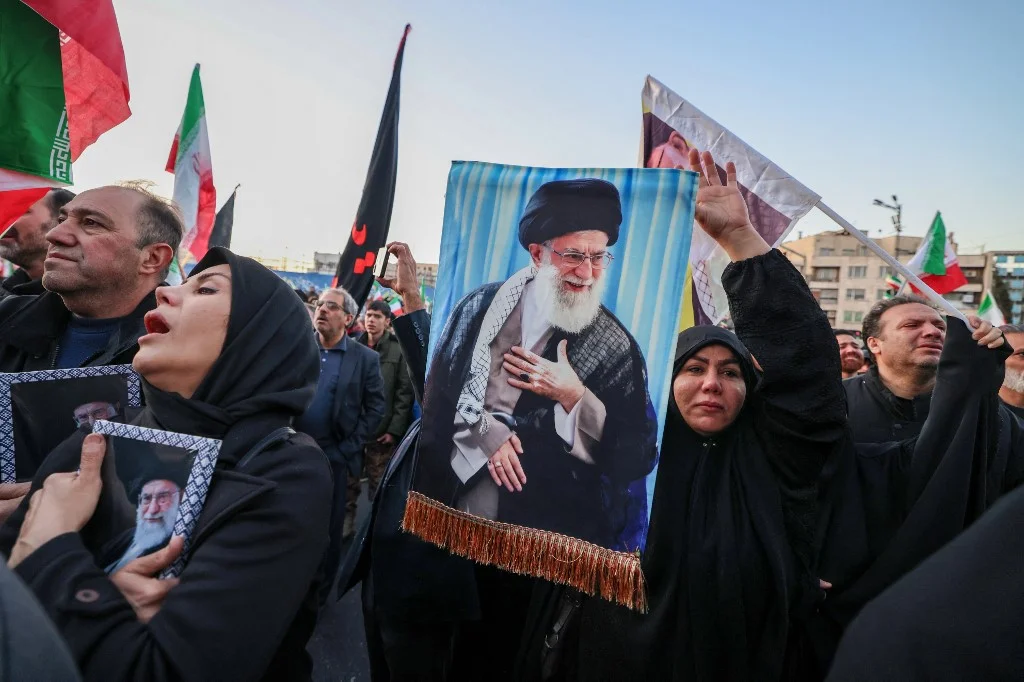 “On the US calendar it’s still March 4,” Jabbarli said, “but so much happens in a single day that sometimes it would normally take months or years.”
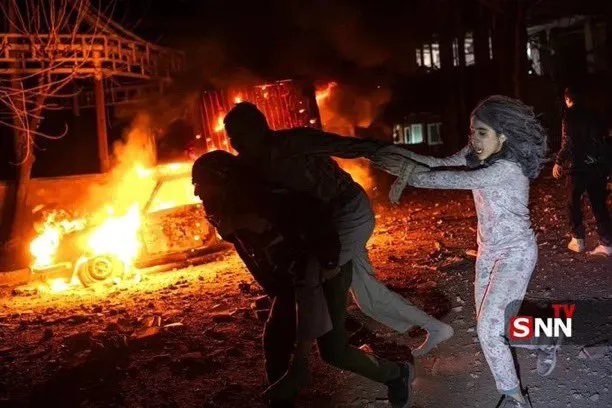 As groups of families and others gathered Sunday evening at cafes around Niloofar Square—a middle-class area in eastern Tehran—after breaking their fast for Ramadan, a series of explosions struck the area, leveling several buildings and killing over 20 people, according to witnesses at the scene and later reports from local news sources.