Environmental News Archive




 A new report released today by Earthworks provides an important window into a disturbing national pattern regarding the oversight of fracking-enabled oil and gas development: regulators, charged with protecting the public, are actively avoiding evidence that fracking is harming the public.
The report focuses on Karnes County, TX, in an attempt to illuminate a growing national pattern of absentee regulators.
 Environmental damage from the Colorado floods includes 5,250 gallons of oil spilled into the South Platte River from a damaged tank, officials said Wednesday.
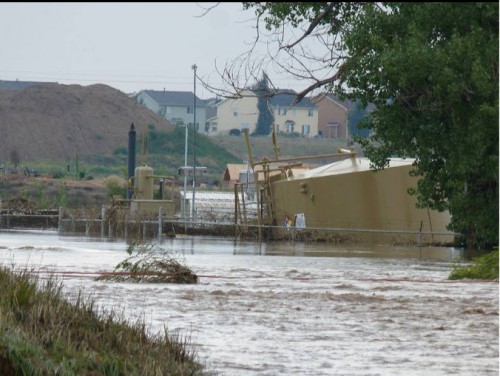 “Another tank overturned and a fracking chemical warehouse flooded…” As alarmed citizens report the damage to each other out West, is anybody listening?
 The statement comes from 12 members of the recently established Earth League, which describes itself as “a voluntary alliance of leading scientists and institutions dealing with planetary processes and sustainability issues.”
 Katharina Fabricius plunged from a dive boat into the Pacific Ocean of tomorrow. She kicked through blue water until she spotted a ceramic tile attached to the bottom of a reef.
 Beneath the farms, orchards and vineyards of Central and Southern California lies a prehistoric soup worth a fortune. The mineral-rich Monterey and Santos shale formations stretching 1,750 square miles across the San Joaquin Valley and the Los Angeles Basin hold a watery mixture of oil and gas – but it’s the oil that may trigger another gold rush. That is, if companies can figure out a profitable way to tap it.
 Ice in Antarctica and Greenland is disappearing faster and may drive sea levels higher than predicted this century, according to leaked United Nations documents.