Economic Glance
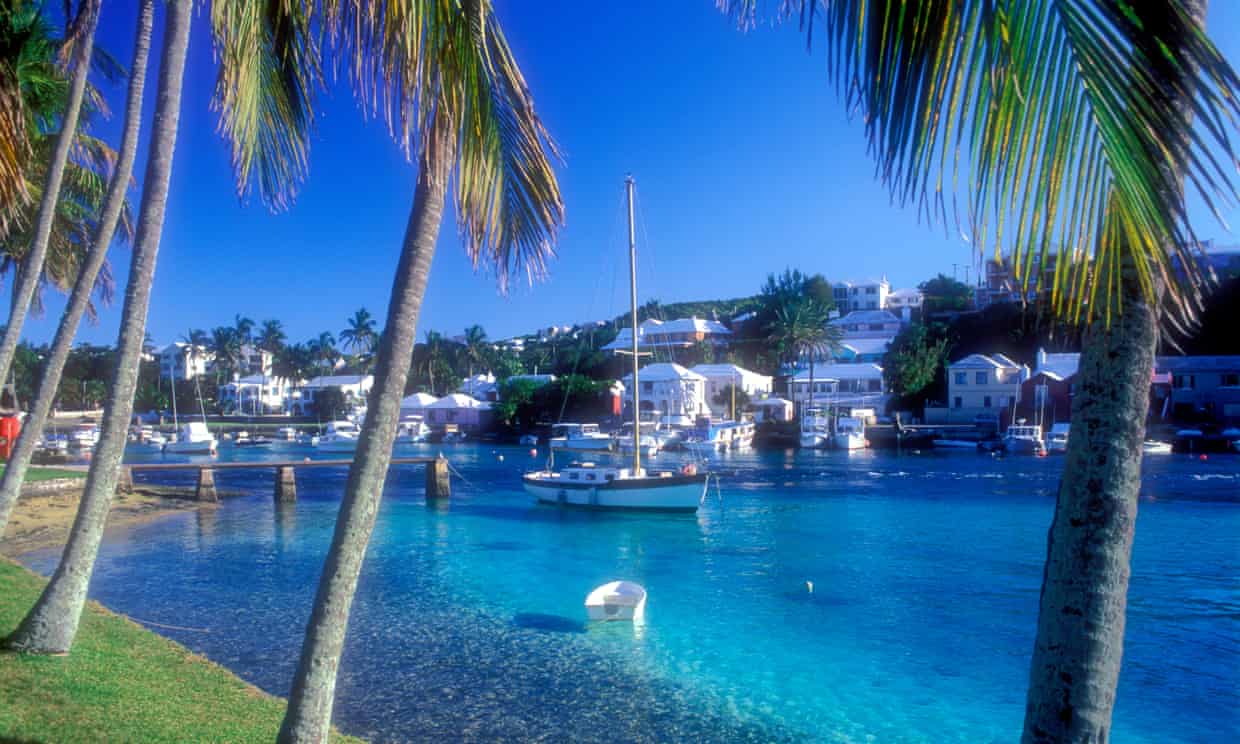 US corporate giants such as Apple, Walmart and General Electric have stashed $1.4tn (£980bn) in tax havens, despite receiving trillions of dollars in taxpayer support, according to a report by anti-poverty charity Oxfam.
The sum, larger than the economic output of Russia, South Korea and Spain, is held in an “opaque and secretive network” of 1,608 subsidiaries based offshore, said Oxfam.
 Retailer Macy's Inc. announced the elimination of more than 4,500 jobs and the closure of 36 stores after disappointing sales during the holiday season.
 James Schnurr, just two months into his job as chief accountant at the U.S. Securities and Exchange Commission, stood before a packed ballroom in Washington last December and upbraided a little-known regulator.
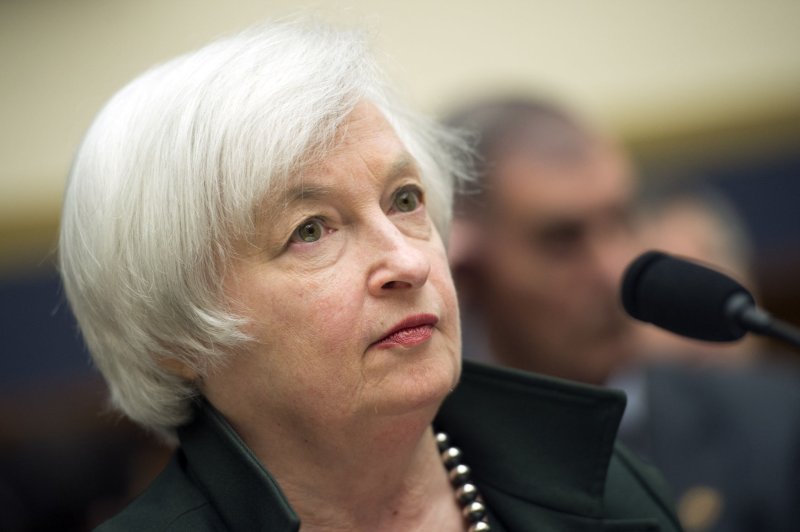 The Federal Reserve Board approved a rule Monday prohibiting the government from extending emergency loans to "too big to fail" companies.
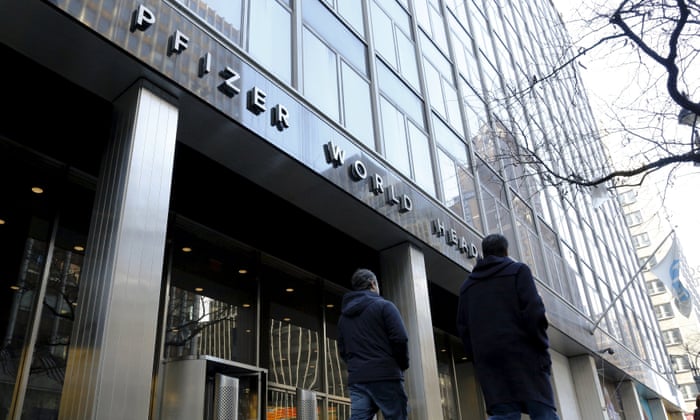 No invention of modern capitalism so enrages the public as does the tax haven. When giant corporations and very rich people choose not to pay their taxes, and government turns a blind eye, faith in the state crumbles.
 When Antonio Peña Arguelles opened an account in 2005 at Citigroup’s Banamex USA, the know-your-customer documents said he had a small business breeding cattle and white-tailed deer, ranch-raised for their stately antlers. About $50 a month would come into the account, according to the documents.