Environmental Glance
At least eight people died in the United States over two days when tornadoes struck Oklahoma and southern Michigan on March 5 - 6, and the National Weather Service warns more severe weather is possible on Saturday, March 7.
A weather service team is expected to head out on the morning of March 7 to survey damage from a tornado-producing storm that ripped across a 50 mile stretch of southern Michigan on March 6, leaving four dead.
A swath of damage was reported across parts of Cass, Branch and St. Joseph counties, from Edwardsburg through Three Rivers and into Union City, the weather service reported. At least one large, “extremely dangerous” tornado was confirmed in Three Rivers, Michigan, based on preliminary reports from trained storm spotters,
A swath of damage was reported across parts of Cass, Branch and St. Joseph counties, from Edwardsburg through Three Rivers and into Union City, the weather service reported. At least one large, “extremely dangerous” tornado was confirmed in Three Rivers, Michigan, based on preliminary reports from trained storm spotters, emergency officials and public videos, according to the weather
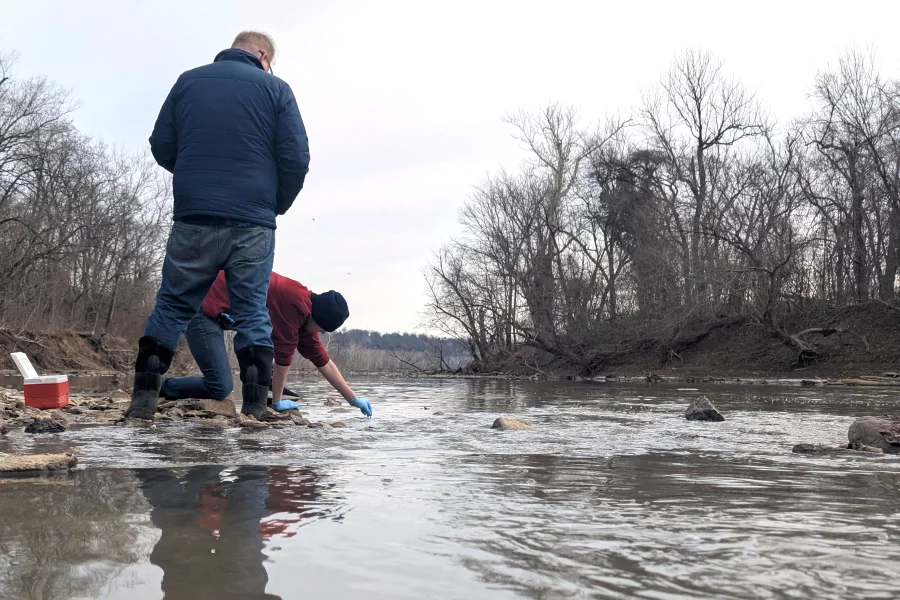 In January, part of a decades-old sewer line in Maryland collapsed by the Potomac River. Over the following days, the broken pipe dumped more than 200 million gallons of raw sewage into the Potomac near Washington, D.C.
 Republicans are attempting to exempt some major polluters from paying for Pfas “forever chemical” cleanup. If successful, it could mark a major setback in US effort to rein in Pfas pollution.
 A powerful winter storm swept across California on Wednesday, with heavy rain and gusty winds.
 Less than a year after the Palisades fire destroyed nearly 7,000 structures in Los Angeles, the first completed rebuilt home is being celebrated in Pacific Palisades.